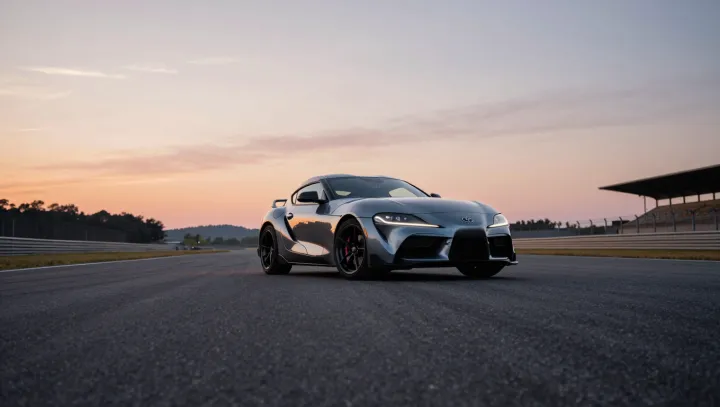
Speed, on its own, is overrated. At more than 200 miles an hour, the veteran driver’s real edge is not how hard the throttle goes down but how early it comes up. Asphalt narrows. Guardrails crowd the windscreen. The car’s aerodynamic load rises, tire slip angles grow, and the space for error shrinks to a few hand spans of track.
What looks like hesitation is actually calculation. Professional coaching programs drill drivers to focus on brake points, not top speed, because kinetic energy grows with the square of velocity and turns a minor misjudgment into a catastrophic impact. Data loggers track throttle position and brake pressure curves, while instructors mark reference cones that teach drivers to sacrifice ten miles an hour on entry for a stable line and a wider safety margin.
The obsession, then, is with timing, not thrill. Reaction time, visual processing speed, and situational awareness are treated like muscle groups in need of conditioning, using tools from eye‑tracking systems to telemetry overlays. By rehearsing when not to deploy the car’s full power, seasoned drivers build a quiet, almost invisible skill: the discipline to be slower for one second so they can stay alive for the next lap.