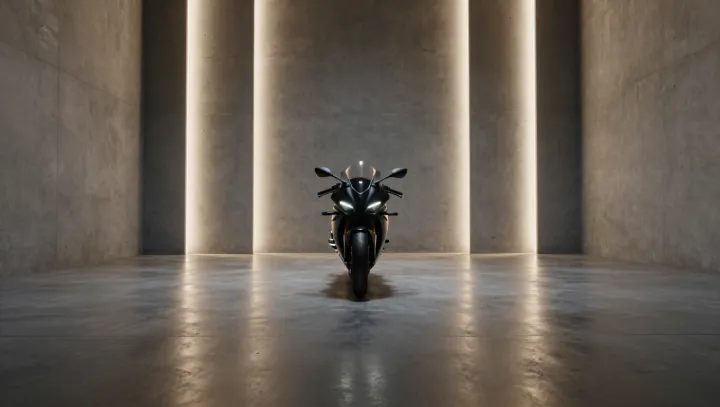

A lone lantern in a storm feels truer than a family argument in a tidy kitchen. Not because it is realistic, but because it is brutally simple: light against void, warmth against exposure, signal against noise. High contrast. Very few details. The brain loves this stripped stage, then starts its own show.
The sharper claim is this: minimal scenes can hack emotional circuits more efficiently than naturalistic drama, because perception runs on predictive coding and Bayesian inference, not on neutral recording. When the frame is sparse, sensory input carries just enough data to anchor you, while uncertainty spikes activity in the visual cortex and the amygdala. Low detail acts like compression. The mind upscales the file, projecting memories, fears, attachment patterns into the empty dark around that single flame.
Equally counterintuitive is that realism can blunt feeling. Packed dialogue, busy sets, and dense backstory overload working memory and reduce spare capacity for simulation. By contrast, the lantern scene behaves like a projective test, the narrative cousin of pareidolia and figure–ground segregation. Viewers lock onto the isolated signal, then unconsciously supply motive, history, and threat level. The world feels deeper because the brain is doing unpaid worldbuilding, and effort disguised as discovery reads as authenticity.