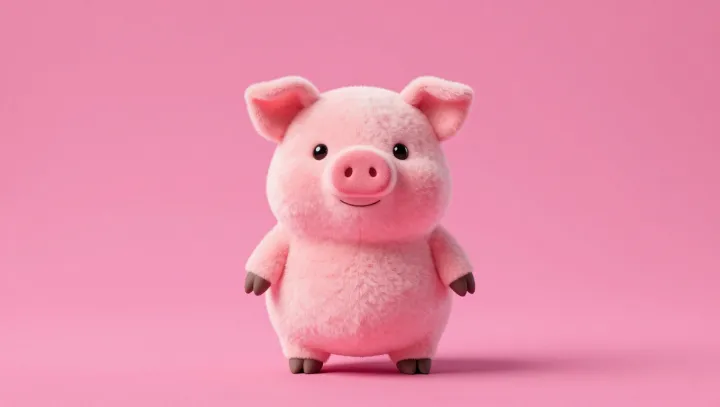

Cute is not a matter of taste; it is an alarm coded as reward. In a scene of three tiny animal bakers, the rounded heads, oversized eyes, and clumsy hands hit the brain before the cupcakes do, activating preset detectors shaped by selection for infant care.
At work is the so‑called infant schema, a visual template described by ethologists and later mapped with functional MRI, in which specific ratios of eye size to face, head to body, and limb thickness trigger rapid firing in the amygdala and orbitofrontal cortex. Those signals feed into the nucleus accumbens, a core node of the mesolimbic dopamine system, releasing a brief pulse of reward that feels like affection rather than information processing.
More striking is how little learning this system needs. Studies using simple line drawings and abstracted animal faces show that even minimal baby‑like proportions recruit hypothalamic oxytocin pathways and autonomic responses, including pupil dilation and changes in heart rate, while semantic regions for expertise or skill recognition stay comparatively quiet. The brain, in other words, tags baby form long before it evaluates bakery form, and the tiny aprons just hitch a ride on circuitry that once kept helpless offspring alive.