
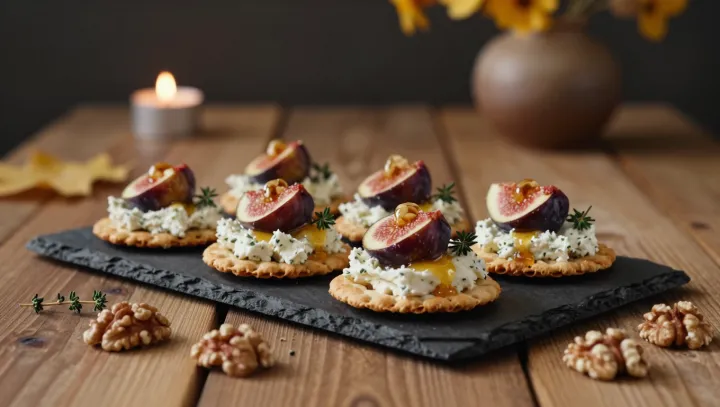
A single coin of food can outgun a hulking slice of cake. Not on calories, but on neural efficiency, as food scientists now design micro-bites that hit taste receptors in a timed cascade engineered for maximum reward per mouthful. The trick is not volume. It is sequence: fat, fiber, crunch, in that order, pressed into a few decisive chews that flood the brain’s valuation circuits before boredom sets in.
The paradox is blunt: satisfaction is more about signal density than portion size. When a soft fat-rich layer hits first, it rapidly activates taste receptor cells and triggers lipase-driven flavor release, priming dopaminergic neurons in the ventral striatum. A thin fiber matrix underneath slows oral transit and engages mechanoreceptors, stretching chewing time without adding bulk. Then comes the crisp top: a high-contrast fracture that spikes somatosensory input, exaggerating the final peak of pleasure before sensory-specific satiety begins its steep decline curve.
Most cake fails this test. Large, uniform bites create noisy but monotonous input that the orbitofrontal cortex quickly discounts, lowering reward prediction error even as you keep eating. A precision canapé, by contrast, behaves like a well-tuned algorithm, compressing varied stimuli into a short oral processing window that keeps dopaminergic firing high while cognitive control still feels intact. Designers talk about “stacking modalities,” yet underneath the menu language sits standard neurophysiology: gustatory pathway activation, mechanotransduction, and the tight timing of reward coding.
The deeper claim is slightly uncomfortable: satisfaction can be manufactured with almost industrial accuracy. By adjusting fat droplet size, fiber viscosity and fracture mechanics of the crunchy layer, chefs and food technologists can steer bite dynamics toward a narrow sweet spot where the brain decides, very quickly, that it has had enough. Not because the stomach is full, but because the reward curve has risen cleanly and closed, all inside a mouthful no larger than a coin.