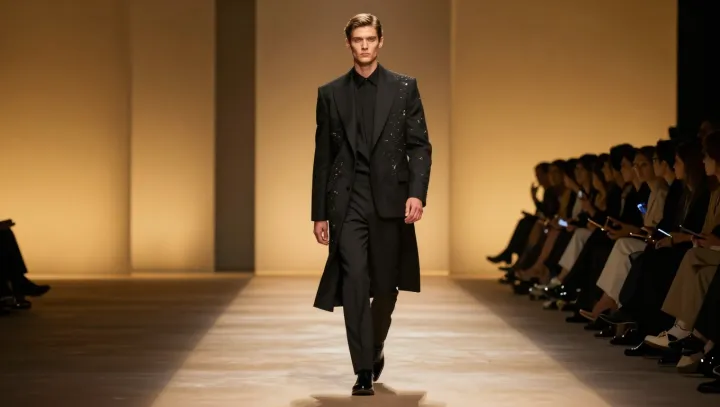

Color, not cardio, does the heavy lifting here. A sweater, jeans, and sneakers in nearly the same tone merge into one uninterrupted column, and that single column is what the eye reads as height. Human vision defaults to grouping similar hues, a process known as color constancy, so separate garments start to register as one shape rather than three stacked blocks.
The real problem is contrast, not leg length. High‑contrast breaks at the waistband, the knee, and the ankle act like horizontal stop signs, because the visual cortex is wired to notice sudden shifts in value and saturation. When you lower that contrast and keep top, bottom, and shoes in one color family, you reduce those interruptions and create a stronger vertical axis that feels longer, even though bone structure has not changed.
This is proportion hacking, not fantasy. By echoing the shade of your jeans in your sneakers, you erase the classic dark‑pants, light‑shoe boundary that usually shortens the lower leg. Matching your sweater to that same range pushes the apparent start of your legs closer to your shoulders. The body stays the same; only the visual arithmetic gets rewritten.