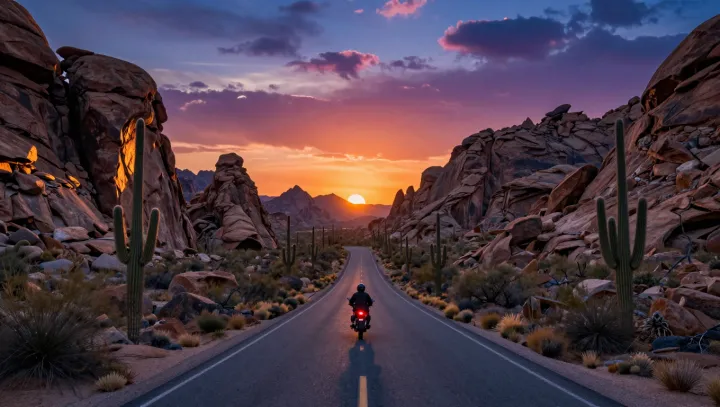
Dusk does not flatter cities; it exposes them. Under low sun and scattered bulbs, streets stop competing with billboards and start competing with physics, where luminance, contrast ratio and specular reflection dictate what survives in the eye.
Authentic is the wrong word; less edited is closer. With the sun skimming the horizon, oblique incidence light stretches shadows, drops global illuminance and crushes visual noise, so the human visual cortex leans harder on edge detection and color constancy instead of retail signage and glass glare. Sodium and LED fixtures then punch tiny holes in the dimness, creating high dynamic range pockets that make cracked asphalt, stained stone and uneven brick read more clearly than glass curtain walls that dominated at noon.
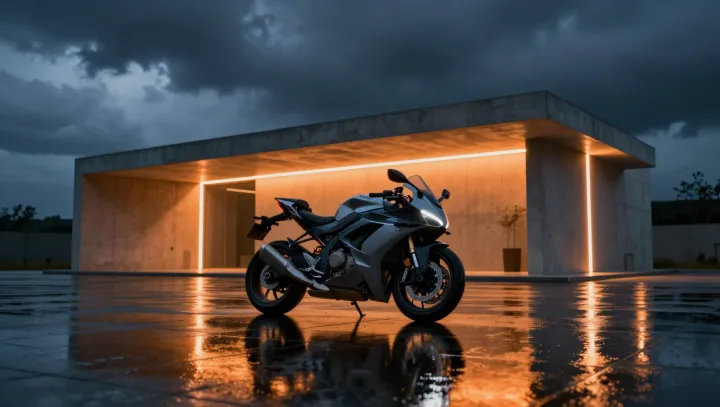
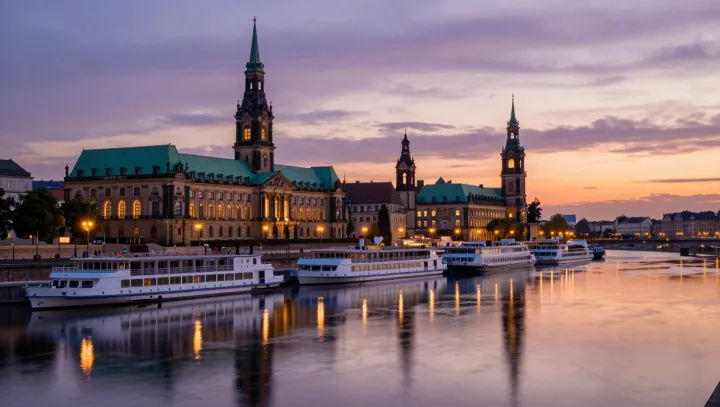
The most honest surface is not steel but water. Under shallow angles, Fresnel equations hand the advantage to reflection over transmission, so a river or canal becomes a more faithful mirror than many polished facades, which scatter light through micro‑scratches and multiple panes. That flip in optical priority means towers look sharper in the puddle than in the sky, and a passing train is easier to parse in a canal ripple than through its own tinted windows. What people call atmosphere at dusk is often just physics briefly overruling branding.