
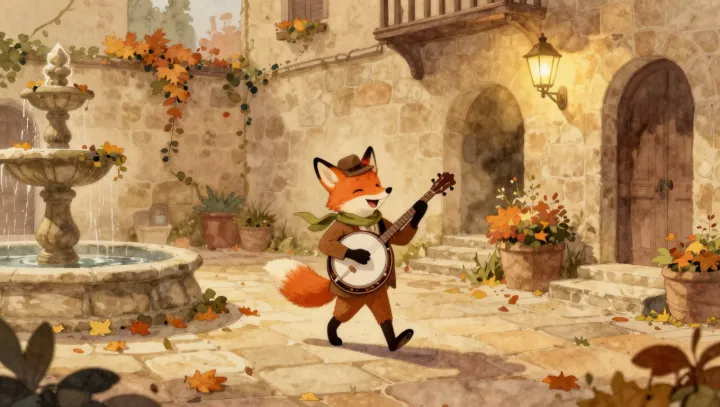
A quiet, looping banjo riff can outmuscle a stadium-sized concert high. Not in volume. In how it reshapes reward wiring. Each tiny, predictable pleasure nudges dopamine neurons in the midbrain, then waits, then nudges again, exploiting the brain’s bias for repetition over spectacle.
The harsh truth is that reward prediction error cares less about intensity than about pattern. When the fox plucks the same simple riff every morning, dopaminergic cells in the ventral tegmental area pulse in modest spikes tied to timing and expectation, training synaptic plasticity in the striatum and prefrontal cortex. That steady pairing of cue, action, and small reward builds a habit loop, embedding new firing patterns through long-term potentiation rather than chasing a single massive surge.
One unforgettable concert high feels bigger but teaches less. During a huge peak, dopamine floods broadly, blurring the signal that tells synapses which circuit should change. With small rituals, the signal-to-noise ratio improves. The brain can tag that modest riff, that morning image, during memory reconsolidation, quietly strengthening the same network again and again.
The counterintuitive gain is that boredom-adjacent pleasure becomes a better engineer than ecstasy. Tiny joys respect how neurons metabolize energy and reset receptors. They arrive within the limits of homeostasis, so the system does not slam on tolerance as fast. The fox keeps playing. The circuit keeps learning.