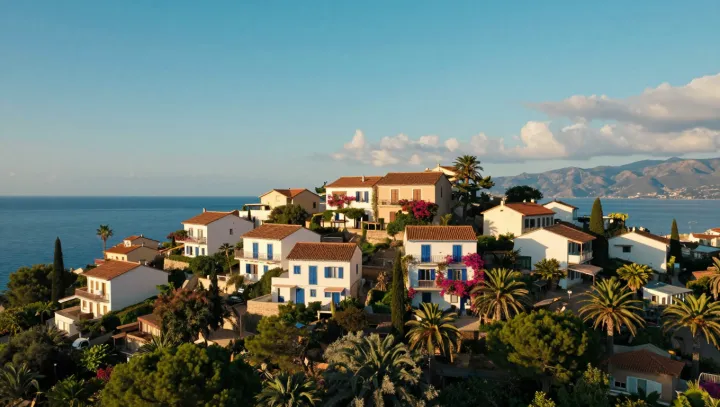
Color here is not romantic at all; it is engineering in disguise. Pastel walls facing open water act as test panels for salt, ultraviolet radiation, and damp air, yet still read as candy-bright from a harbor. That persistence rests less on charm than on chemistry, maintenance discipline, and a quiet acceptance that beauty is a recurring expense, not a one-time choice.
The real secret is boring. Stable inorganic pigments such as iron oxides, chromium oxides, and ultramarine resist photodegradation far better than organic dyes, so the hue shifts slowly even under intense solar irradiance. Short sentences help. Resin-rich binders and acrylic topcoats then form a polymer matrix that slows water ingress and limits chloride ions from attacking the paint film, cutting blistering and chalking before they start.
Equally decisive is what sits under the color. Lime-based plaster and cementitious renders maintain an alkaline pH, which protects both pigment and binder from hydrolysis and fungal growth, while their porosity lets trapped moisture diffuse outward instead of exploding the surface. Against that, routine wins. Facades are washed to strip salt crystals, microcracks are sealed before capillary uptake escalates, and thin renewal coats are applied long before a full failure mode appears.
So the pastel postcard cheats a little. What looks effortless is a cycle: mineral-heavy formulations, sacrificial coatings, and labor scheduled almost like preventive maintenance in industrial corrosion control. The sea keeps attacking; the chemistry, and the paintbrush, quietly answer back.