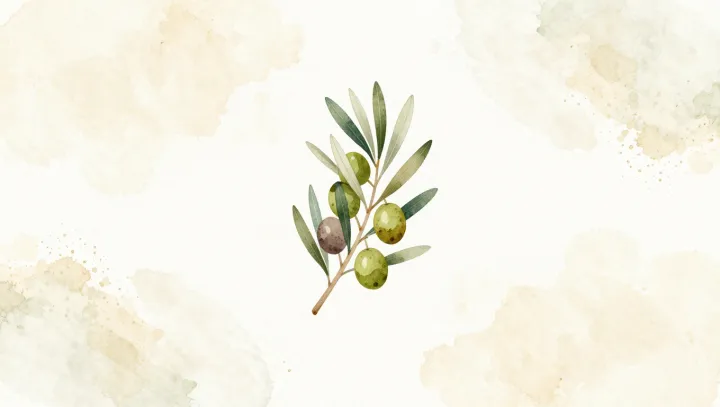
An olive twig should be boring. A bit of lignin, waxy leaves, xylem pushing water through a drought‑tolerant shrub. Yet that modest structure now carries more diplomatic weight than many flags or crests, a stripped‑down emblem that fits on a coin, a logo, or a protest sign with almost no explanation.
The odd truth is that biology did not nominate this branch; ritual did. Ancient Mediterranean cults treated the olive as a repeatable prop in truces, coronations, and harvest rites, so the twig kept reappearing in the same narrative slot: after conflict, before risk, during fragile calm. Repetition built what anthropologists call semantic saturation, where a neutral object acquires stable meaning simply by being reused in the same social script.
Its current minimalist aura is less mystical than it looks. Graphic designers prize the branch because its branching pattern offers high visual redundancy, like error‑correcting code in information theory; even when crudely drawn, the silhouette still reads as “olive.” That robustness mirrors the tree’s own physiological resilience, from deep root systems to high stomatal control, so the image feels honest rather than decorative. When modern peace movements needed a symbol with no national flag, no weapon, and no text, the olive branch offered a rare asset: a pre‑loaded story that could be leveraged across posters, emojis, and institutional seals without starting from zero.