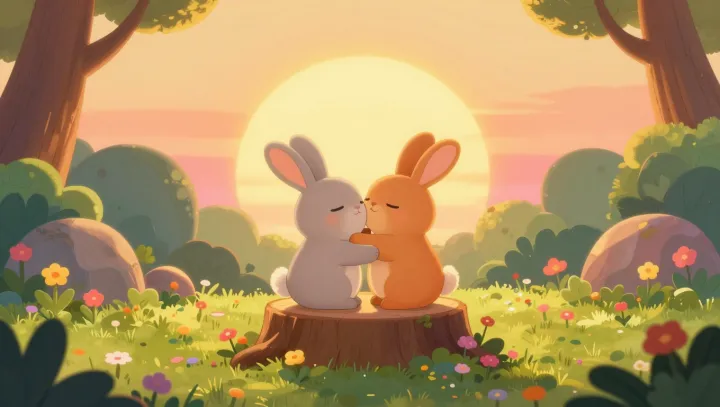
A bunny pressed against a chest looks nothing like a high‑performing team, yet the brain treats both as the same category of social win. In quiet petting sessions, somatosensory input from fur, warmth and heartbeat streams into areas such as the insula and anterior cingulate cortex, regions also recruited when people cooperate on a shared task and track one another’s intentions.
The striking part is chemical, not cute. Gentle touch and eye contact with an animal increase oxytocin release from the hypothalamus, which then modulates the ventral striatum and nucleus accumbens, classic reward hubs that also respond when group members coordinate successfully. Dopamine firing in these circuits flags the interaction as worth repeating, regardless of whether the “partner” is a colleague or a rabbit that will never read a project brief.
Even synchrony, often sold as the signature of human teamwork, is not exclusive to meetings and shared deadlines. Slow, rhythmic stroking can align heart rate variability and calm breathing between person and pet, while electroencephalography studies show overlapping patterns of neural oscillations during relaxed animal contact and during cooperative problem solving. The brain’s social bonding architecture is old, general purpose and easily fooled by a bunny on a blanket.