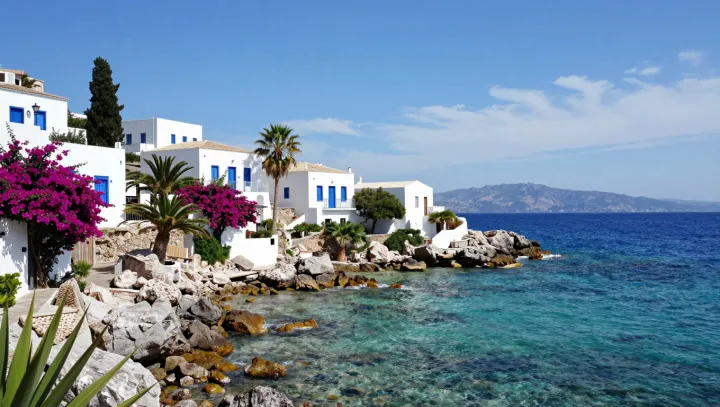
Blinding light, not aesthetics, made these villages white. Under Mediterranean glare, stone walls baked, interiors overheated, and daily life turned into a slow roast, so lime wash became a survival tool long before it became a postcard cliché.
Physics did most of the design work. Lime-based whitewash has a high solar albedo, bouncing away a large share of incoming shortwave radiation instead of letting it convert into longwave thermal radiation inside cramped rooms. When every facade reflects, a single house does not just cool itself; the entire slope behaves like a vast, crude optical device, reducing mean radiant temperature in streets and courtyards while lowering the cooling load on thick masonry shells.
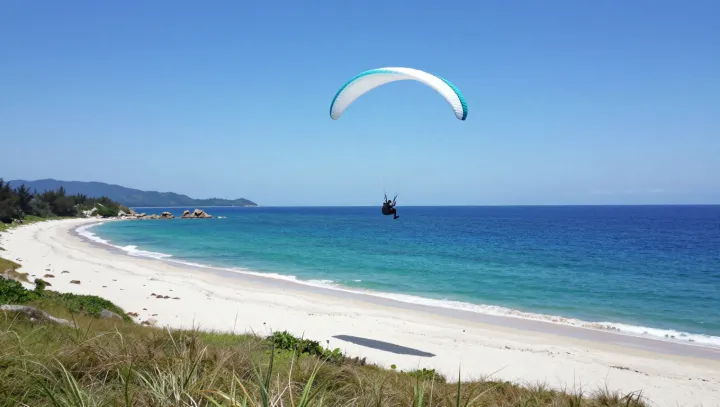
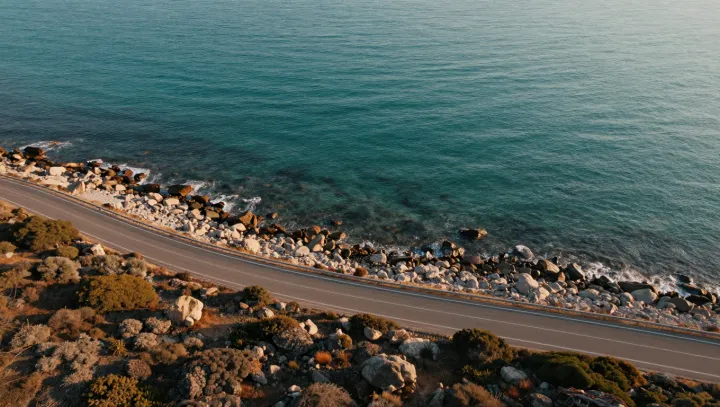
Yet the eye is edited by this whiteness as aggressively as the climate. Against a field of near-total reflection, the sea’s scattered shorter wavelengths appear more saturated, a contrast effect rooted in color constancy and simultaneous contrast rather than romance. White houses strip the scene of competing hues, so the brain amplifies the remaining blue signal from water and sky, turning a harsh act of thermal management into the illusion of an impossibly blue coast.