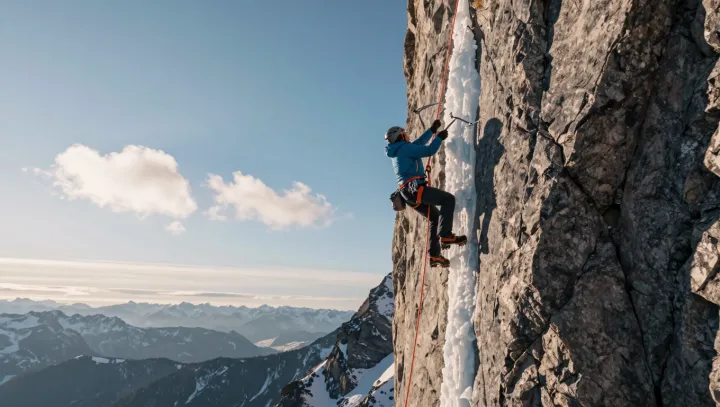
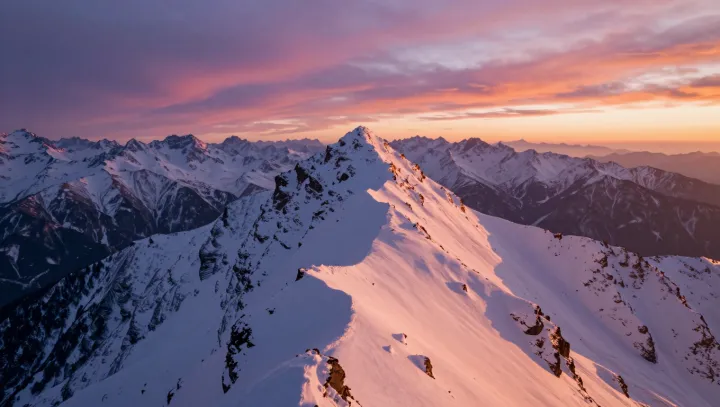
A narrow snow spine can be as lethal as any famous summit. Not because of height. Because physics does not care about a map label or the number on an altimeter, and a waist‑wide ridgeline bristling with cornices compresses every classic alpine hazard into a few exposed steps.
Objective risk spikes on such ground. Overhanging cornices load the ridge with unsupported snow slabs; once their shear strength is exceeded, they fail without warning and trigger full‑depth avalanches down both flanks. A climber may be standing not on rock but on a cantilevered lip, with no visual cue where solid ground ends, while a fall on either side means an unbroken slide for hundreds of meters, well beyond the stopping power of any ice axe arrest.
Weather makes the scale illusion worse. Wind transport rapidly increases snowpack density on the lee side, while sublimation and temperature gradients weaken internal layers, raising the probability of slab fracture independent of altitude. Add whiteout or rime buildup and route‑finding becomes guesswork along a corniced knife‑edge, where a single misstep equals terminal exposure. Rescue options shrink as quickly as the ridge narrows; a short helicopter flight cannot easily pluck someone from a feature that offers no landing zone and no safe hover corridor.