

Why a Cartoon Chick Feels Like a Real Baby
A cartoon chick exploits the baby schema system in the human brain, triggering reward, caregiving, and attention circuits almost exactly as real infants do.
2026-08-21
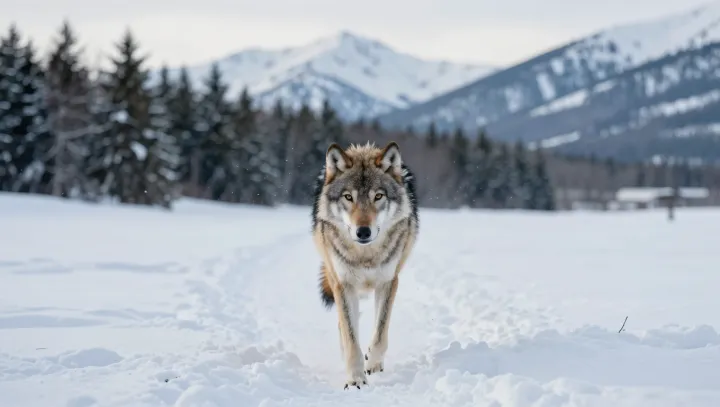
The Lone Wolf’s Productive Slow Walk
A lone wolf’s slow, energy-saving gait in deep snow offers a hard lesson for knowledge workers: conserve metabolic and cognitive energy to get more high-value work done by doing less.
2026-08-21
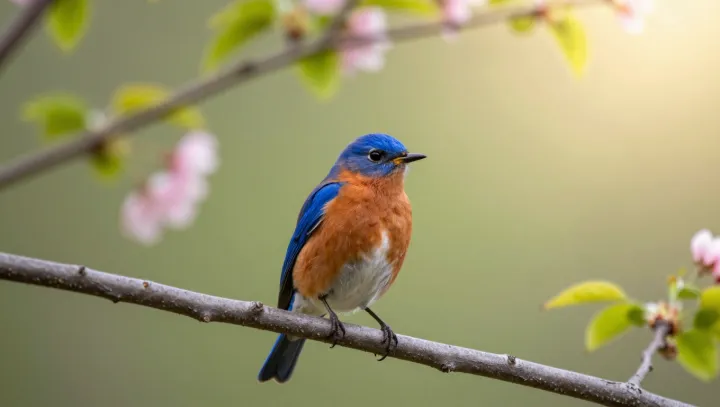
When a Bluebird Wing Quietly Teaches Math
A single sunlit bluebird portrait can reveal hidden feather mathematics, showing how light, angle, and microstructure create geometry on a living wing.
2026-08-19

Why Water Dogs Stall At The Shore
Many water‑loving dogs pause at calm lakes because puppies must slowly learn to interpret depth, reflection and motion cues through vision, proprioception and vestibular feedback before they commit to swimming.
2026-08-19

Why Playful Kittens Strike Like Tiny Predators
Domestic kittens on quiet streets still show fierce hunting reflexes because natural selection hard‑wired predatory motor circuits and reward chemistry that practice through play.
2026-08-19

The hidden physics under a silent swan
A swan’s serene glide hides a continuous physics calculation, as webbed feet modulate thrust, buoyancy, and balance against fluid drag and shifting body mass.
2026-08-18
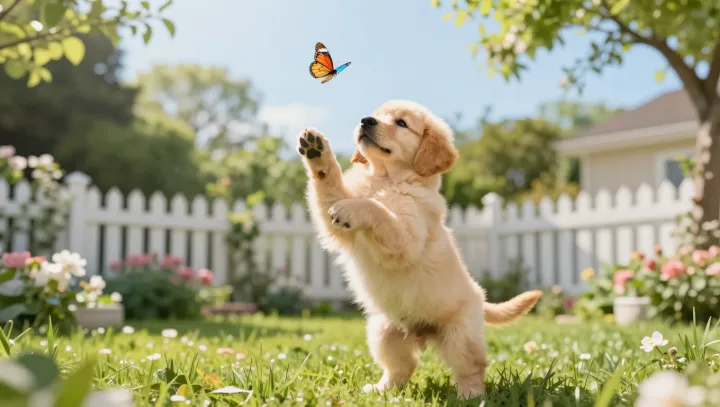
The Puppy, The Butterfly, And Your Projection
A puppy watching a butterfly is not forgiving or judging you; it exposes how human brains project moral emotions onto simple animal attention.
2026-08-18
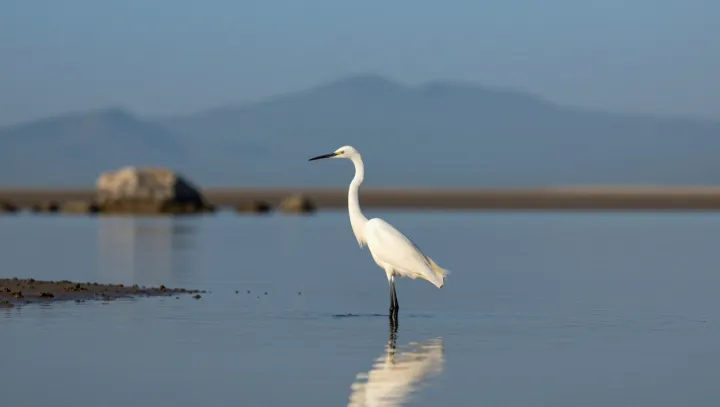
The physics behind a motionless hunter
A heron-like bird uses neuromuscular control, elastic tendons, and specialized vision to freeze for minutes, then unleash a strike that outpaces a human blink.
2026-08-17
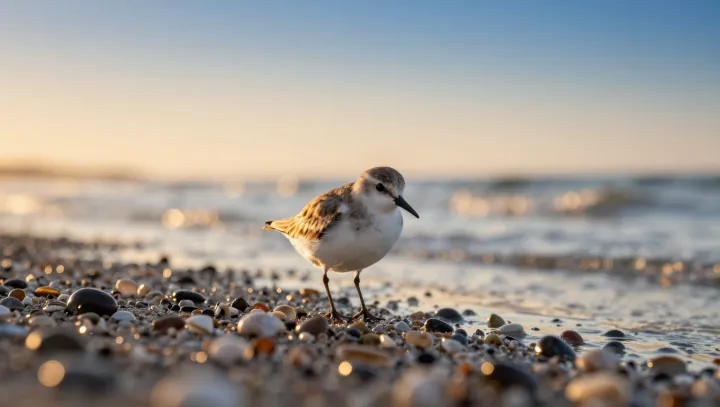
The tiny bird that flies by magnetic script
A small coastal migrant uses magnetoreception, star maps and inherited neural circuitry to follow shorelines across vast distances with striking accuracy.
2026-08-17
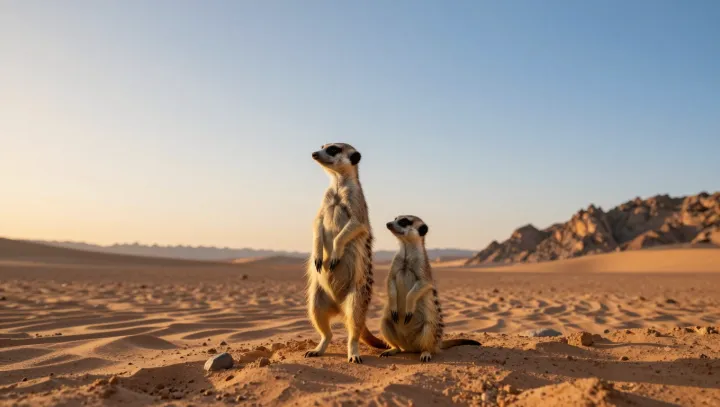
How Meerkats Stare Down The Desert Sun
Meerkats avoid eye damage at sunrise through dark periocular fur, pupil control, and coordinated group positioning that shares glare risk across the colony.
2026-08-14
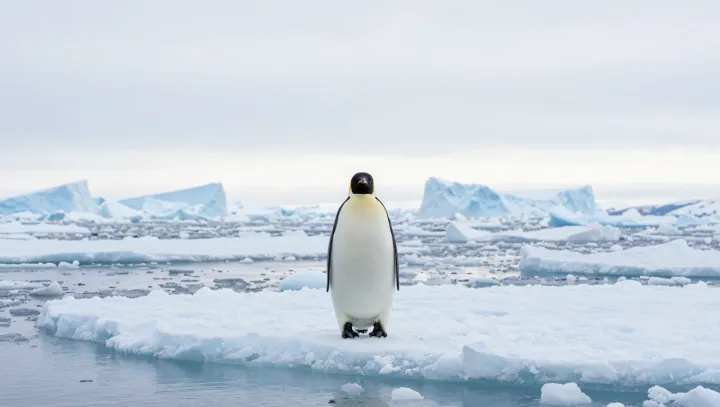
How Penguins Keep Warm Feet On Bare Ice
Penguins keep skin near room temperature on ice by restricting blood flow, using countercurrent heat exchange, fat insulation, and a low-conductivity foot design that limits heat loss while avoiding frostbite.
2026-08-13

The still egret that hunts by vanishing
A still egret at dusk exploits low light and mirror‑flat water to hide its outline, distort prey vision, and boost strike efficiency while cutting metabolic cost.
2026-08-13

Why a Tiny Dog Feels Warm While You Shiver
A small dog can stay warm on a cold shore because its fur traps air and cuts wind, showing how comfort depends on insulation and physiology, not shared temperature.
2026-08-13
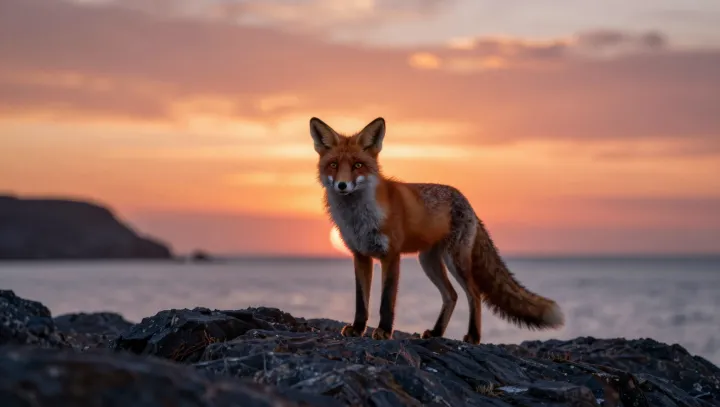
How a tiny fox beats the coastal cold
A small coastal fox survives intense wind and icy water by extreme fur insulation, compact anatomy, and energy‑saving stillness that cuts heat loss and metabolic demand.
2026-08-13
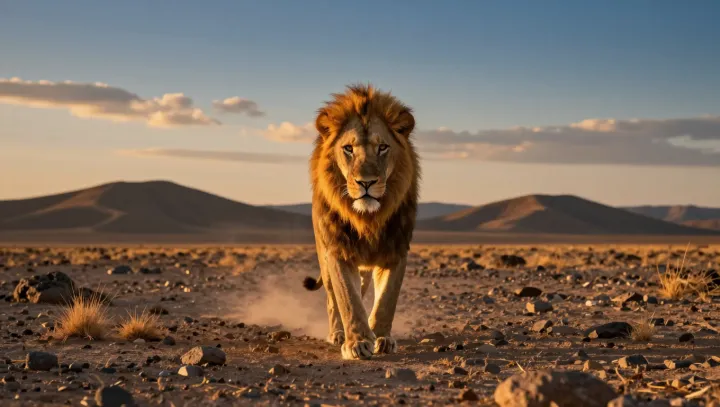
The Silent Daytime Hunt
A lion’s idle-looking daytime walk is a strategic energy, thermal and information play that underwrites the rare high‑speed chases we tend to romanticize.
2026-08-12
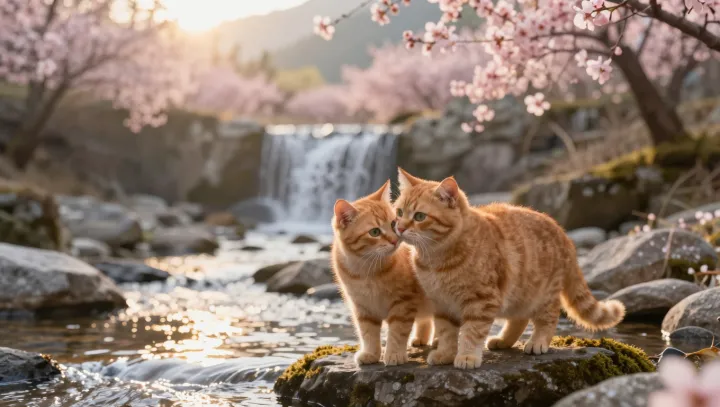
The Silent Code of Two Ginger Cats
Two ginger cats nuzzling in a garden are running a silent social protocol, using scent, posture and micro-movements to maintain a stable relationship with almost no vocal sound.
2026-08-10
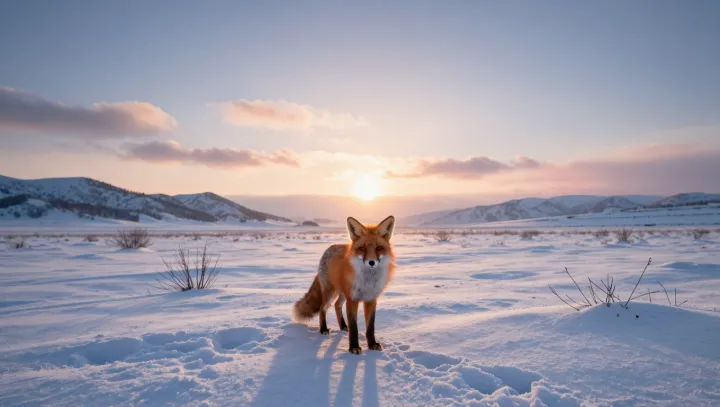
How a Red Fox Wears Its Own Arctic Coat
A six‑kilogram red fox endures Arctic‑style nights on bare snow by combining hollow fur, trapped air, countercurrent heat exchange and metabolic heat, mirroring the design logic of advanced winter clothing.
2026-08-10
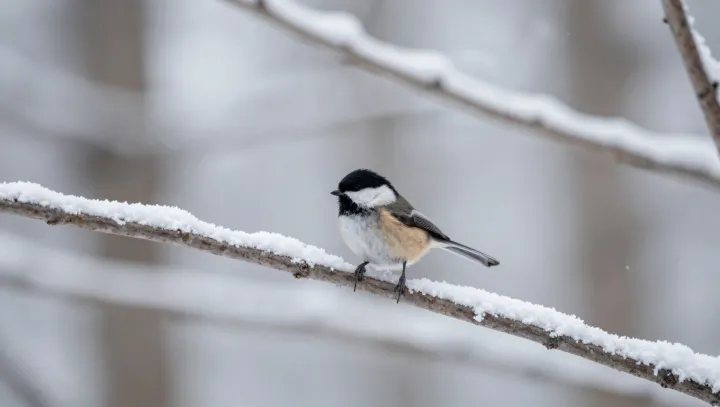
How Chickadees Keep Ice Off Their Feet
A chickadee keeps millimeter-thin feet unfrozen on icy perches by routing blood through a countercurrent heat exchanger in its legs, sharply limiting heat loss while protecting tissue.
2026-08-06
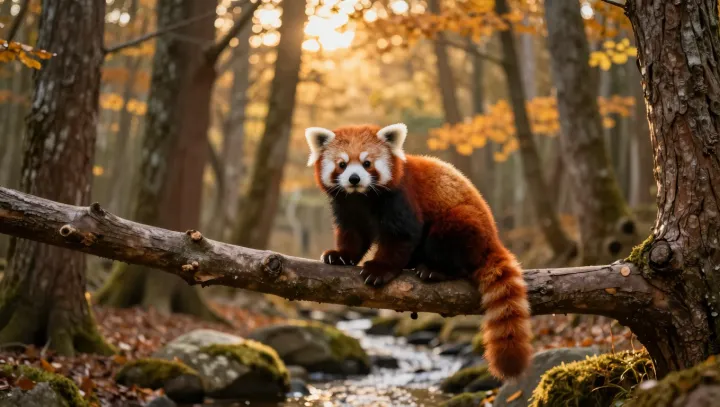
Why a Red Panda Glows Warm in a Cold Forest
A red panda looks wrapped in warmth because russet fur and low-angle sunlight convert cold photons into a visual glow, while the air and ground remain cold.
2026-08-06
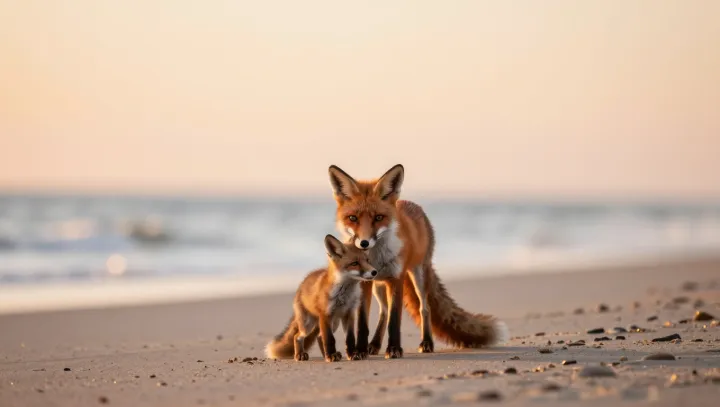
The Split Focus of a Red Fox
A red fox can nuzzle its kit while detecting a buried mouse, thanks to specialized hearing, whiskers, and neural filters that separate affection from predation.
2026-08-06