
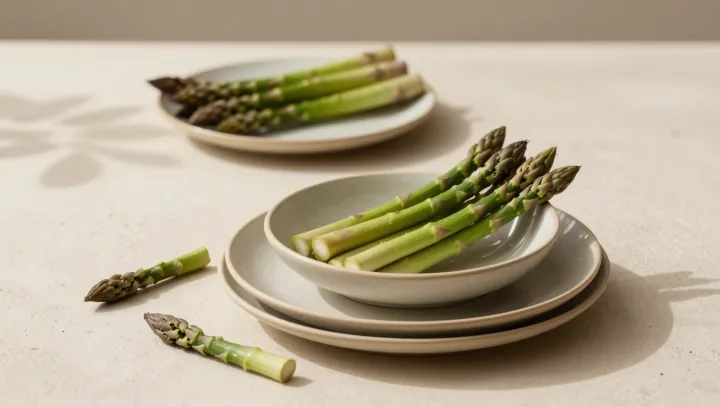
Asparagus, Microbes, And A Quiet Cellular Reset
Fresh asparagus acts as a prebiotic feedstock for gut microbes, lowering inflammation and oxidative stress through short-chain fatty acids, glutathione, and cellular signaling shifts.
2026-08-21
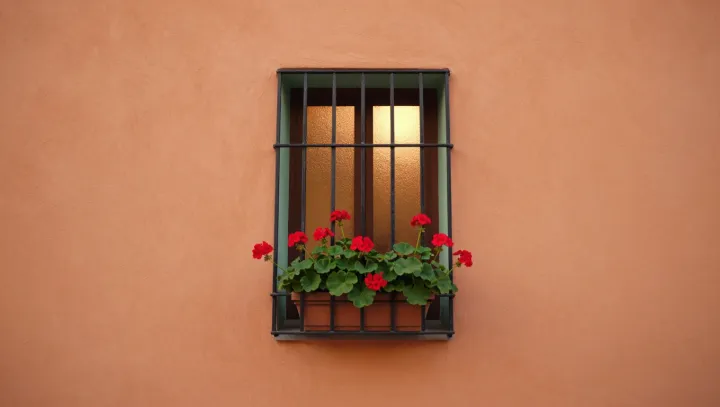
How Red Geraniums Quietly Recode Risk
A small box of red geraniums behind iron bars can shift passersby’s ratings of safety and warmth by exploiting hardwired cues in environmental psychology and social cognition.
2026-08-21

Whitewashed Hillsides, Cooler Rooms
Mediterranean glare did not just bleach stone; it forced villagers to whitewash entire hillsides, creating a vast reflective surface that cools interiors and sharpens the sea’s apparent blue.
2026-08-19
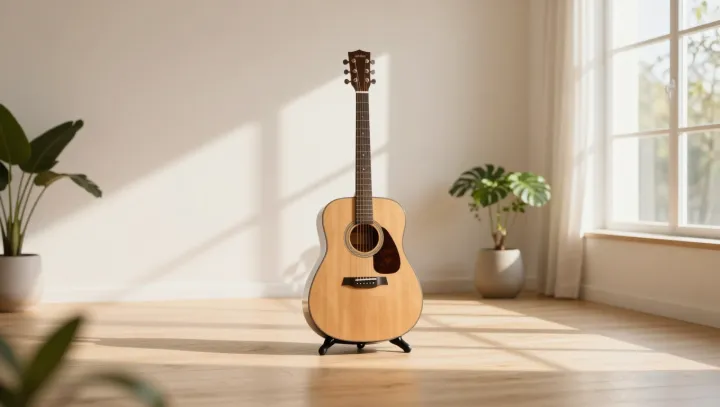
Why Sunlit Guitars Feel Closer
Sunlight and plants do not alter a guitar’s sound, yet they change how the brain encodes, predicts, and emotionally tags each note, making the same performance feel more intimate.
2026-08-18
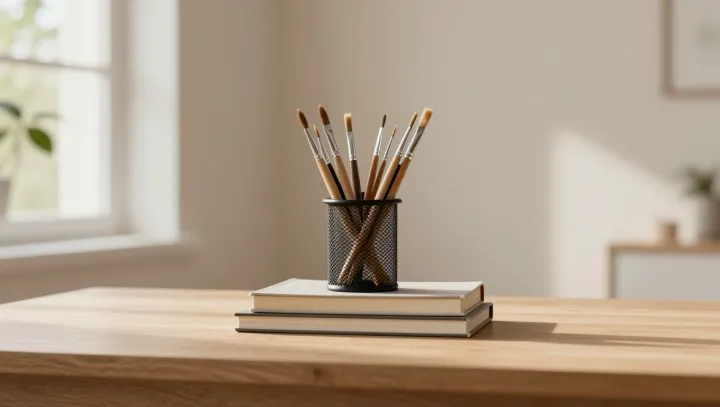
Why Scrappy Desks Beat Polished Studios
Messy analog setups bias the brain toward originality by lowering stakes, increasing sensory noise and forcing cognitive effort that glossy digital studios quietly remove.
2026-08-18
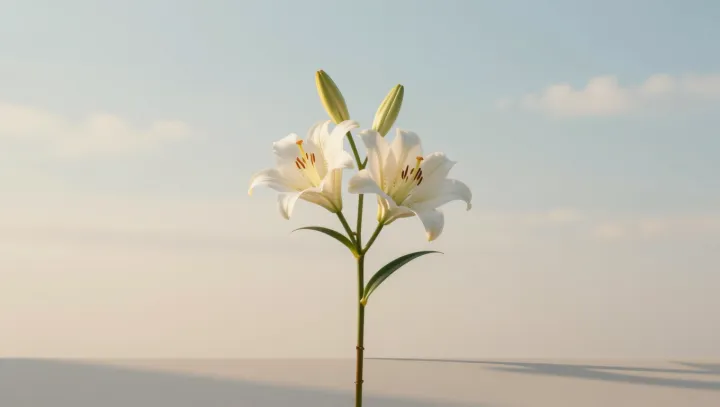
How Madonna Lilies Turn Green Pigments Into Dazzling White Light
The Madonna lily retools chlorophyll-based cells into air-filled, pigment-poor tissue whose nanostructure scatters all wavelengths, converting sunlight harvesters into brilliant white reflectors.
2026-08-18
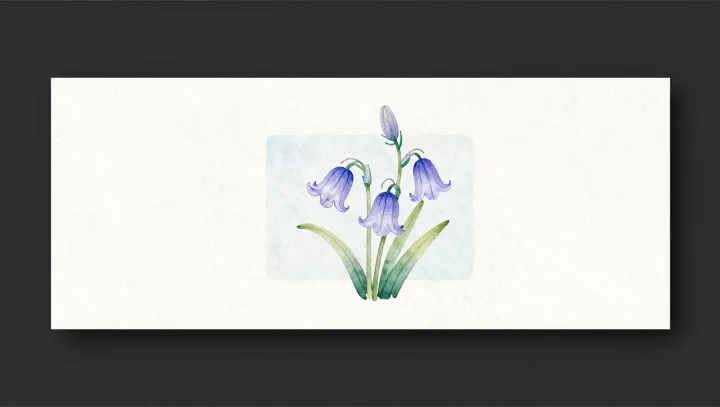
Why unfinished bellflowers feel more alive
Pale, loosely painted bellflowers feel vivid because the brain fills gaps, recruits predictive coding and Gestalt grouping, and rewards effort with a stronger sense of presence.
2026-08-17
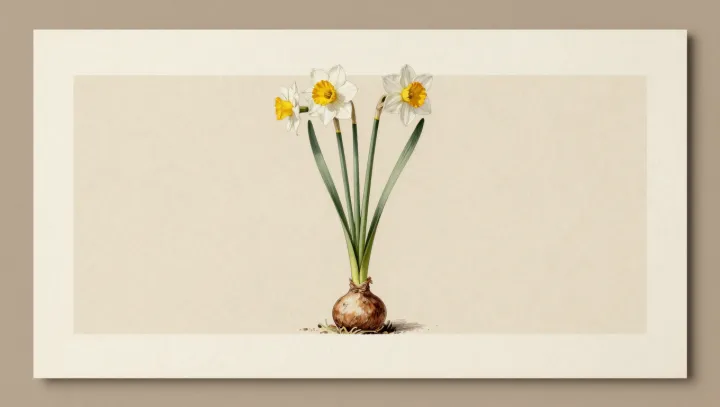
The Hidden Economy Inside a Daffodil Bulb
Daffodils run a tight biological budget, using one underground bulb to store starch, regrow leaves and flowers, and renew itself for the next spring bloom.
2026-08-17
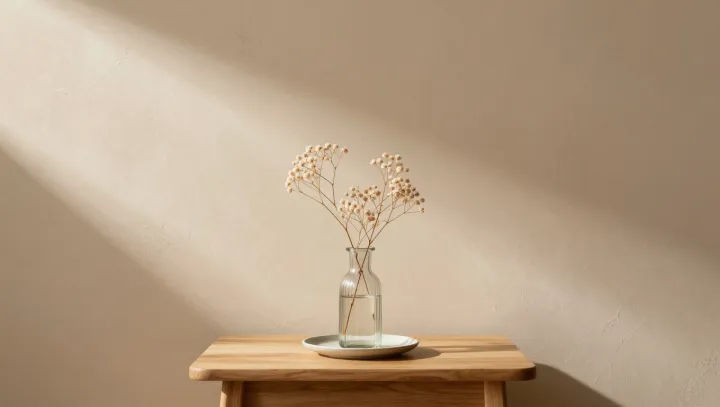
The Quiet Luxury of Almost-Empty Flowers
A nearly empty glass vase with baby’s breath can feel more luxurious than a dense bouquet because negative space, visual hierarchy and material contrast signal restraint, intention and high-end taste.
2026-08-14

Why Your Ocean Sunsets Keep Falling Flat
Ocean sunsets look dull because camera metering averages bright sky and dark water; spot metering on sunlit cloud edges preserves glow and contrast.
2026-08-13
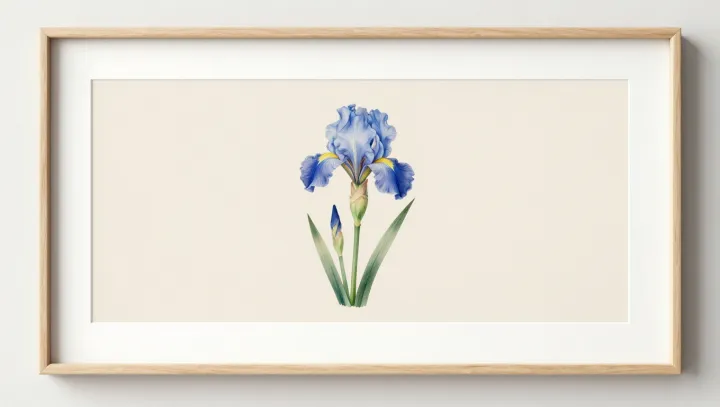
The Ecological Lie Inside Minimalist Florals
A single blue iris looks complete in minimalist art because human perception edits out ecological risk, flattening complex reproductive networks into symbolic, self-contained icons.
2026-08-11

The Lavender Latte Your Eyes Drink First
A lavender-tinted latte can begin to lower stress before smell or taste, by recruiting visual pathways, memory circuits and autonomic responses wired to associate purple hues with rest and safety.
2026-08-11
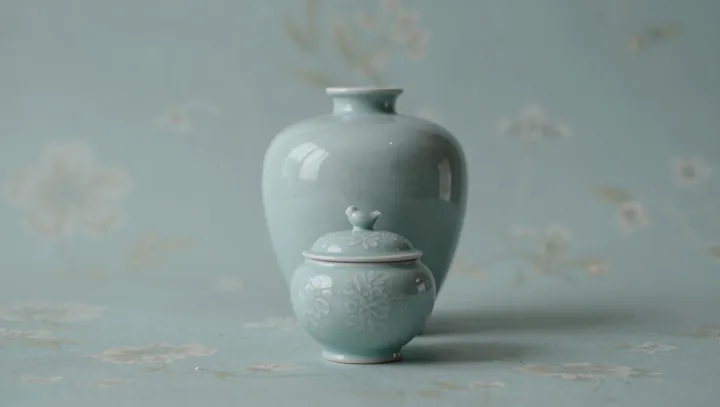
Why the Small Blue Jar Steals the Still Life
A small pale blue jar dominates a still life because sharp edges, local contrast and surface texture trigger early visual processing more strongly than size or ornament.
2026-08-11

The Hard Science Inside a Fragile Flower
A fragile-looking flower relies on cell architecture, phase-change physics, and timed biochemical defenses to survive cold, heat, and herbivores.
2026-08-11
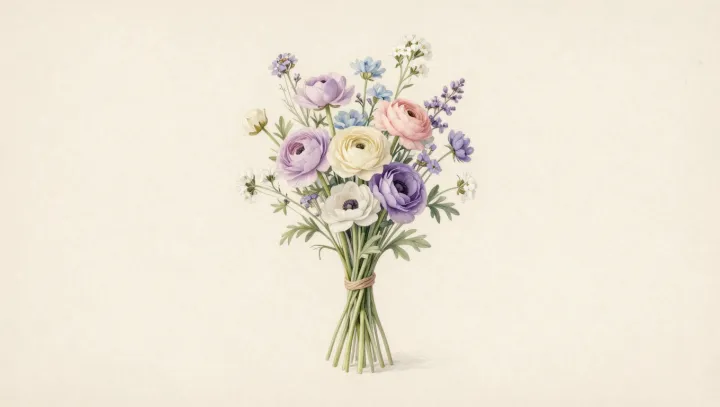
The soft physics of pastel calm
Pastel flower illustrations ease visual stress by reducing chromatic contrast and cortical load, letting the brain process color with less arousal and more associative comfort.
2026-08-10

Hacking Portrait Blur With High-School Optics
A cheap phone, backlit wildflowers, and basic optics can mimic expensive portrait lenses by exploiting depth of field, bokeh, and sensor tricks.
2026-08-10

Why painted winter seas feel colder
Winter seascape paintings can feel colder than real shores because soft edges and blue-gray shifts force the visual cortex to infer depth, distance, and chill from incomplete sensory cues.
2026-08-10
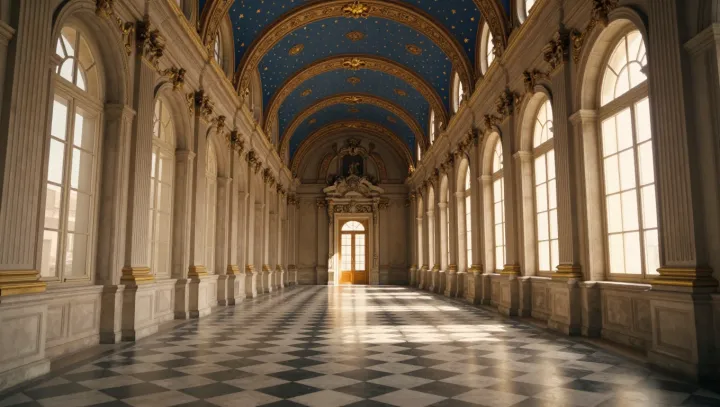
How Still Halls Trick The Moving Brain
A static, symmetric hall can trigger a vivid sense of forward pull by overloading depth-perception circuits that evolved for moving through textured, contrast-rich spaces.
2026-08-06
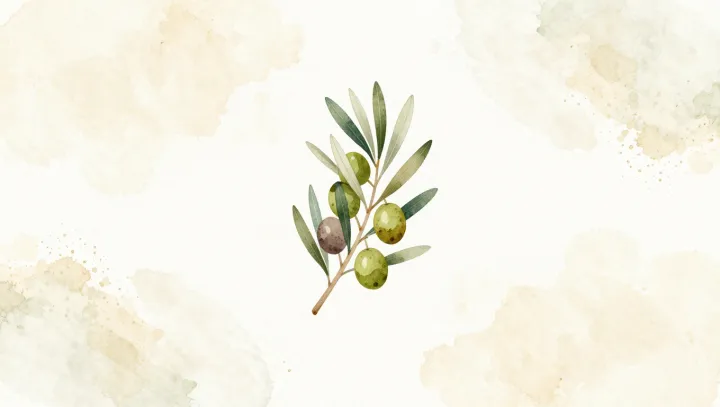
How the Olive Branch Learned to Speak Peace
The olive branch, biologically just a hardy, drought‑tolerant twig, became a global minimalist icon of peace and resilience through ritual reuse, visual simplicity, and modern branding logic.
2026-08-06

The Quiet Optics Of A Plain Ceramic Vase
A plain ceramic vase with a few dried stems simplifies visual input, alters luminance and edge contrast, and measurably eases cortical workload, nudging the nervous system toward calmer states.
2026-08-05