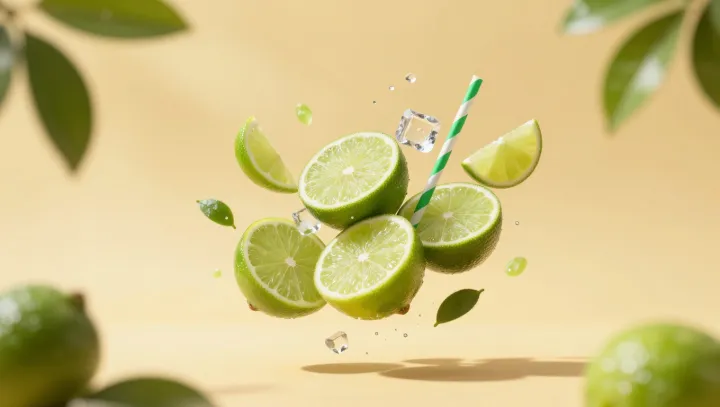
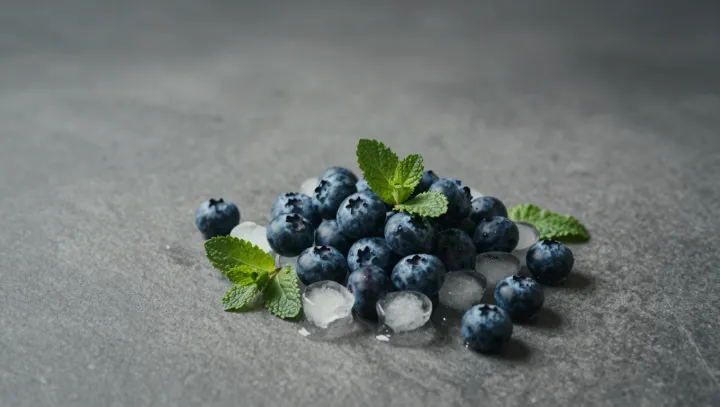
A handful of berries on melting ice by a window exposes a blunt truth about cinematic food images: gear is usually the least interesting variable. In that small scene, world-class photographers say, you confront exposure latitude, dynamic range, and color contrast in a way no purchase can shortcut. The ice forces speed. The window light shifts by the minute. The berries bruise, darken, and lose specular highlights. Every second demands a decision about framing, angle, and shutter speed, not a debate about sensor specs.
The harsher claim is this: if that tiny still life does not look cinematic on your current camera, a $5,000 body will not rescue it. Cinematic food work leans on chiaroscuro, depth of field control, and precise control of white balance, then rides micro-adjustments in camera position to sculpt mood. With one tray of ice you can study backlight, side light, and negative fill by simply rotating the plate. You learn how condensation catches rim light, how crushed ice diffuses glare like a built-in scrim, how a dark cloth nearby deepens color saturation more effectively than any menu of digital profiles.
The boldest photographers argue that this humble exercise behaves like a rehearsal stage for entire careers. Master that window, and you carry an internal light meter into every restaurant, studio, and home kitchen. Fail it, and high-end gear becomes an expensive confidence prop. On the sill, as ice thins and berries slump, what actually upgrades is not the camera, but the eye watching the last bead of water slide toward the frame edge.