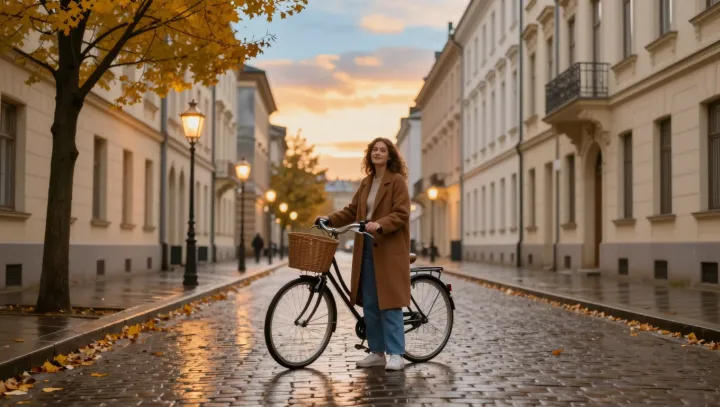
A random curb can feel curated. An autumn street at dusk looks suspiciously like a gallery print because the scene is not doing the composition work alone; the visual cortex is running a fast, ruthless selection process that photographers only imitate with intent and equipment.
What feels like quiet magic is a biased filter. Neurons in the primary visual cortex lock first onto straight edges and contours, a process described in textbooks as orientation selectivity and edge detection, so railings, sidewalks and facades snap into place as leading lines that appear to converge toward some implied subject, even when no subject exists beyond a parked car and a bus stop.
Even the calm feels engineered. The brain’s preference for bilateral symmetry and approximate balance, encoded in midlevel visual areas that group shapes through Gestalt principles like good continuation and closure, pushes you to notice doorways lined up on opposite sides, repeating windows, or a lone tree centered between two streetlamps, editing out clutter that would break the frame inside your head.
Color finishes the trick. As sodium or LED streetlights warm the pavement while the sky cools toward blue, opponent-process mechanisms in retinal ganglion cells exaggerate the contrast between those warm and cool zones, so your internal image gains the kind of tonal separation and mood a professional might chase with filters and postproduction.