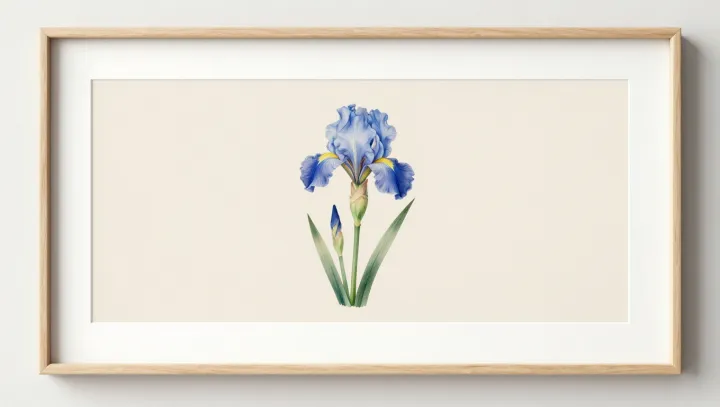
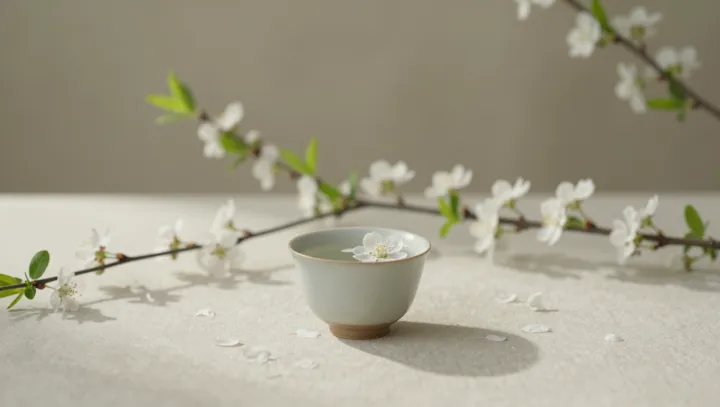
A single vase of flowers can do what a long vacation often fails to manage: it slows the body in seconds. Against a neutral background, petals and stems present a stripped-down signal of safety that the visual system can process with almost no effort.
The blunt truth is that the brain likes low-complexity nature more than it likes most décor. Studies on micro-restorative scenes show that even a brief exposure to simple natural images triggers measurable shifts in autonomic balance, with heart rate and skin conductance dropping within seconds as the parasympathetic nervous system asserts control over sympathetic arousal.
Equally revealing is how little detail the cortex actually demands. Research using electroencephalography and functional magnetic resonance imaging finds that uncluttered floral still lifes produce reduced activity in regions linked to cognitive control, while the ventral visual stream and reward circuitry show efficient, fluent processing that humans experience as ease and calm.
The unsettling implication is that calm is not a deep mystery of the soul but a side effect of pattern recognition. Curved contours, soft symmetry, and organic fractal geometry in petals align with known preferences in environmental psychology, lowering perceived threat and visual entropy so quickly that the body relaxes before any conscious thought can catch up.