

Why Physics Bets On A Long Freeze
Physicists argue that statistical mechanics, entropy and cosmic expansion make a slow fade into darkness far more probable than a final universe-wide explosion.
2026-08-21
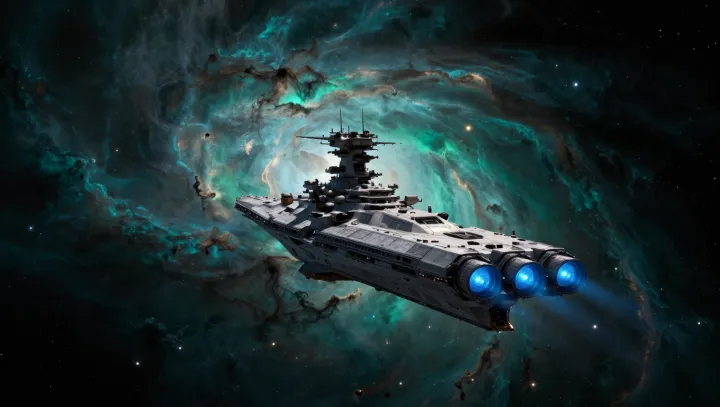
Why Deep-Space Ships Look Like Engine Blocks
Vacuum engineering punishes sleek fighter-jet fantasies: real deep-space craft center bulky propulsion, heat rejection and shielding, so they grow into ungainly engine blocks instead of knife-thin wings.
2026-08-17
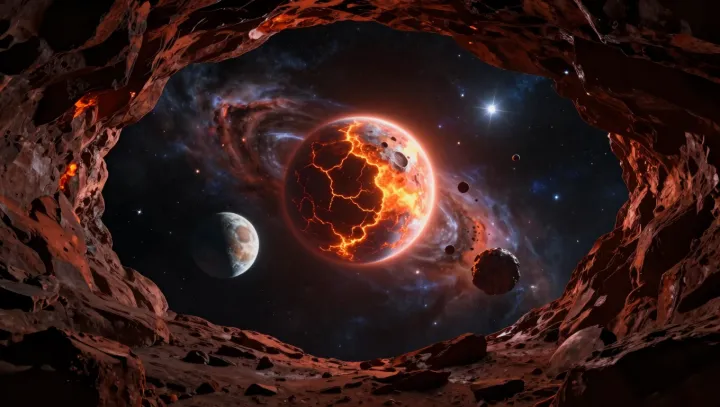
Molten worlds that build their own moons
A glowing, still-molten young planet can already shape rings and debris into proto-moons through gravity, tides and collisional physics long before its surface cools.
2026-08-17
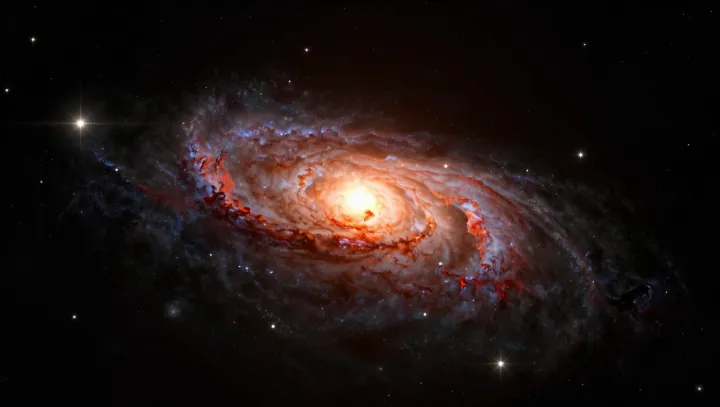
Dusty Arms As A Galaxy’s Forensic Record
Dark spiral dust lanes do not just obscure starlight; they encode chemistry, motion and age gradients that let astronomers replay a galaxy’s assembly step by step.
2026-08-17
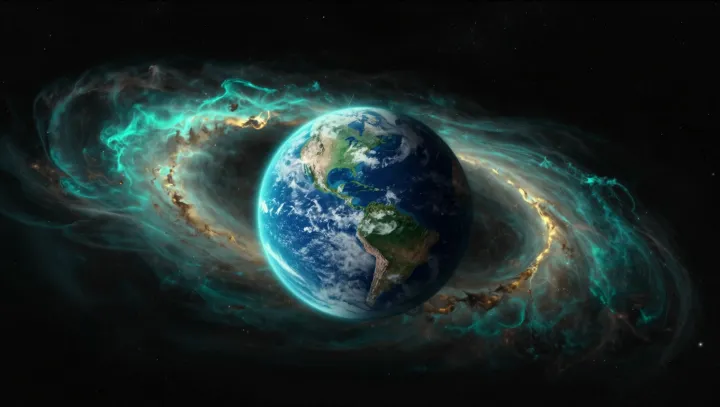
Why Alien Seas Look So Comfortably Familiar
Astrophysics offers only coarse exoplanet data, so artists borrow Earthlike oceans and clouds as visual shorthand for habitability and atmospheric physics.
2026-08-17
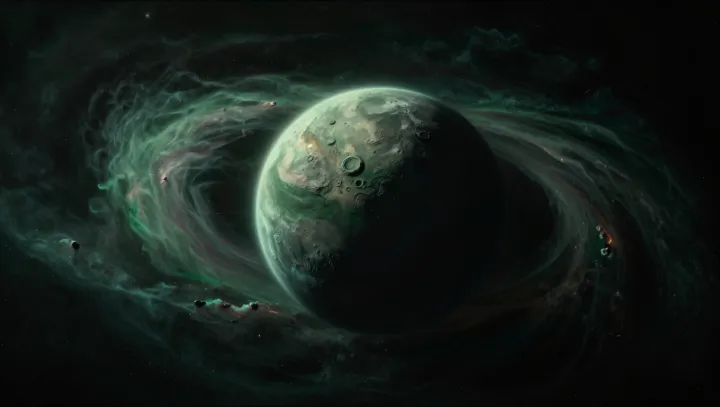
Catching a planet in a split-second blink
Astronomers infer dark, starless planets by watching brief gravitational microlensing flashes in distant stars, using global surveys and precision light-curve analysis.
2026-08-17
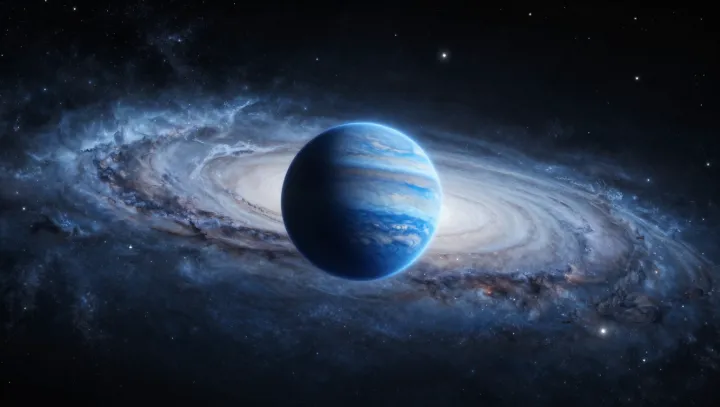
Reading the skies of a distant blue world
Astronomers infer the atmosphere of a distant blue exoplanet by dissecting minuscule changes in starlight during transits, using transmission spectroscopy and precise light curves.
2026-08-17
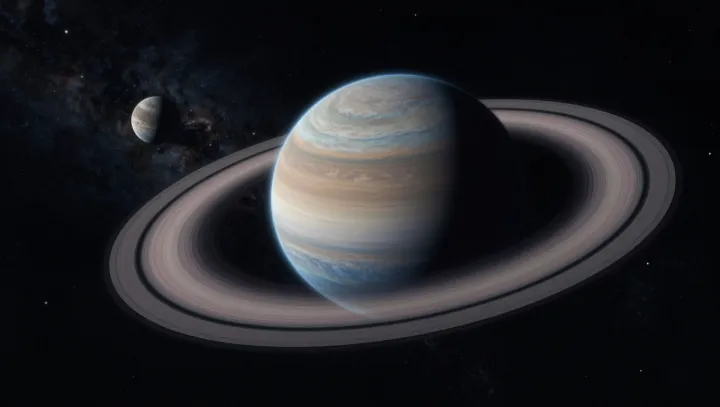
Why Only Earth Wired Chemistry For Minds
Within the Sun’s generous habitable zone, several worlds may host liquid water, yet only Earth appears to have produced technological intelligence, likely through a rare chain of planetary stability, evolutionary contingency, and feedback between culture and environment.
2026-08-17
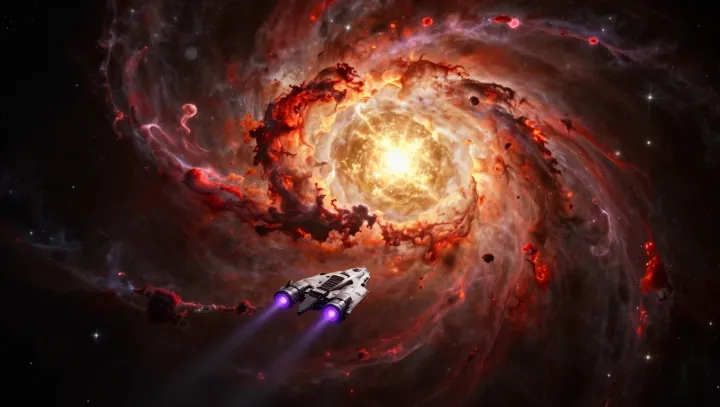
Why Rocket Plumes Blaze In Empty Space
Rocket exhaust glows in near‑vacuum not because it burns air, but because hot propellant gases radiate light as they expand, ionize, and cool in space.
2026-08-17

How engineers teach robot cats to own the night
Engineers fuse low‑light vision, sensor fusion, and rugged mechatronics so quadruped robot cats can patrol dark, wet streets without fatigue and with higher situational awareness than human night guards.
2026-08-14
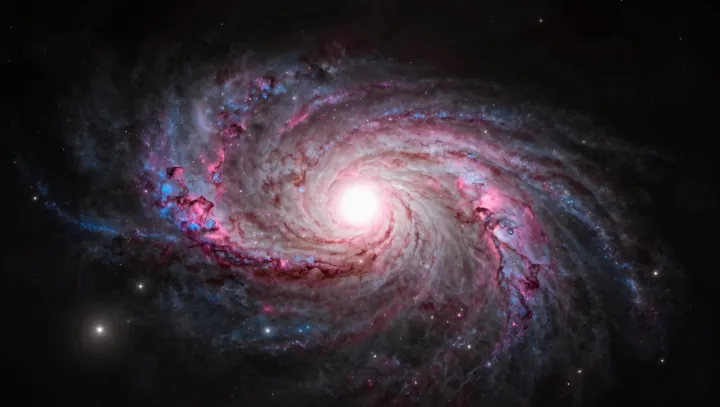
Is a Galactic Core the Safer Place for Life?
Astrobiologists now argue that the crowded, bright core of a spiral galaxy may protect life for longer than its quiet outskirts, thanks to metallicity, star formation history and radiation shielding.
2026-08-14
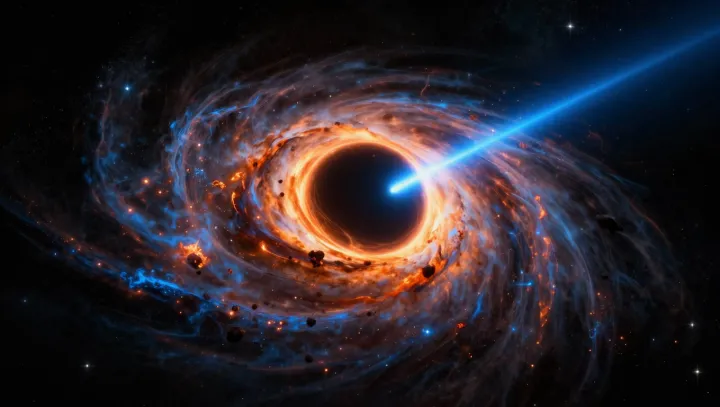
How Astronomers Trace the Edge of a Black Hole
Astronomers infer a black hole’s invisible edge by modeling warped light from the accretion disk and tracking narrow jets shaped by gravity and magnetism.
2026-08-13
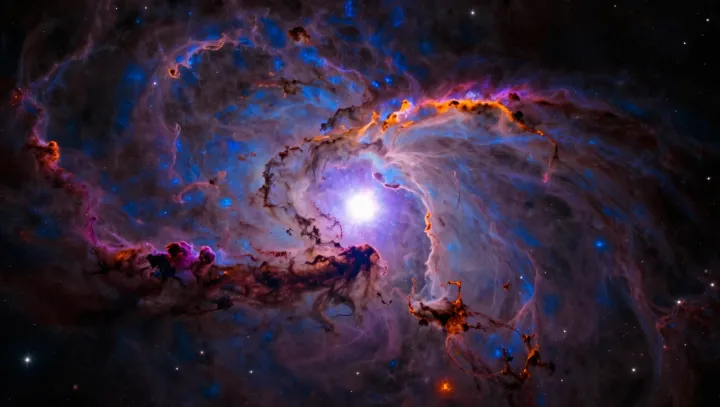
Young Stars That Punch Holes in Nebulae
A small cluster of massive young stars empties huge cavities in nebulae through intense radiation pressure, stellar winds, and supernova blast waves.
2026-08-13
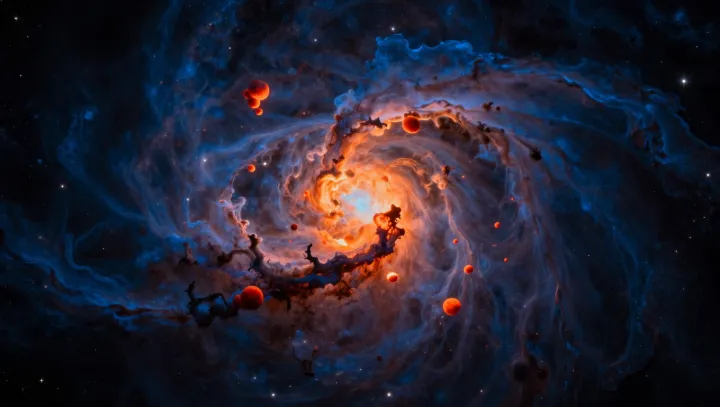
Ancient galaxies that still blow hot winds
Ancient, quenched galaxies stay hot because dense stellar cores and black holes keep hydrogen ionized, driving winds that expel the cold gas needed for new galaxies.
2026-08-13
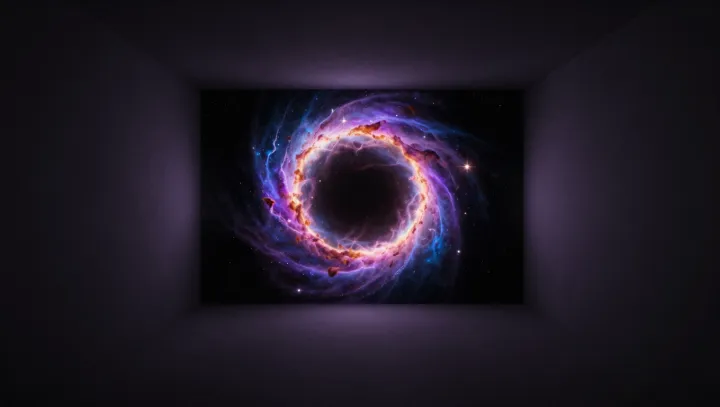
How A Dying Star Draws A Perfect Circle
Explosive shockwaves from a dying star can sculpt chaotic gas into a nearly perfect circular nebula through isotropic winds, hydrodynamic instabilities, and projection effects.
2026-08-12
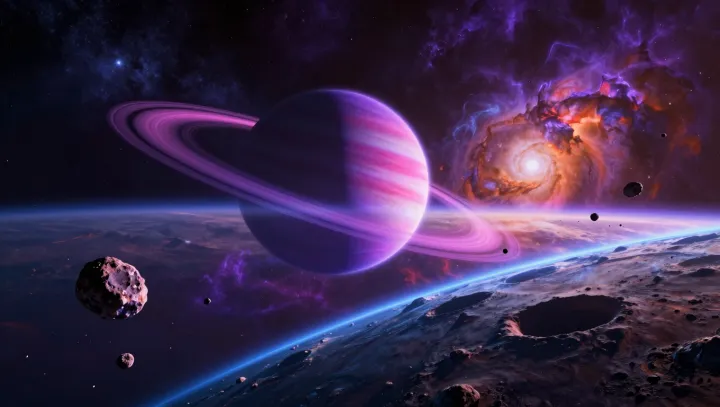
Why crowded ringed worlds rarely crash
A ringed planet in dense asteroid debris avoids major impacts because orbital mechanics, resonance, and shepherd moons sort particles into stable, low-speed lanes.
2026-08-12
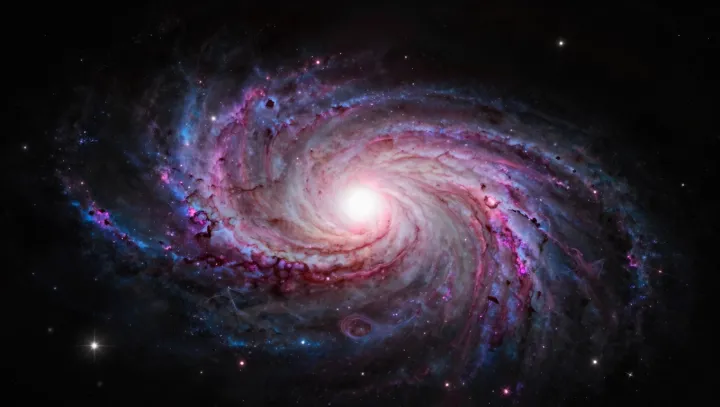
Ring galaxies born from cosmic impacts
A serene ring galaxy is not gentle at all; it is the shock front from a direct collision that drove gas outward, compressing it into a racing wave of star formation.
2026-08-12
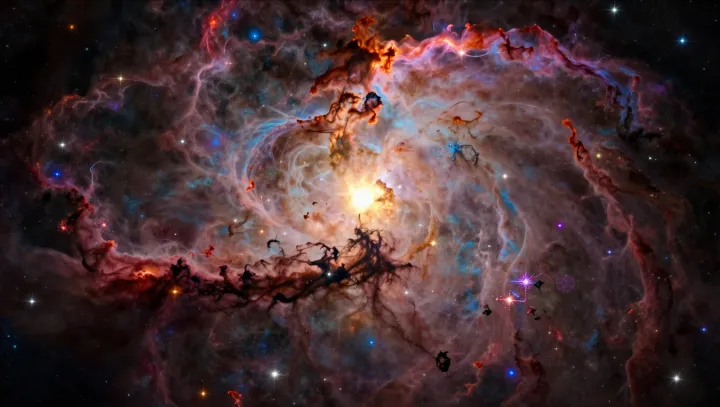
Alien Engineering Hiding In A Stellar Spectrum
A highly specific, repeatable spectral anomaly in starlight could mark an engineered chemical signature, suggesting an alien attempt to hide inside ordinary astrophysical noise.
2026-08-11
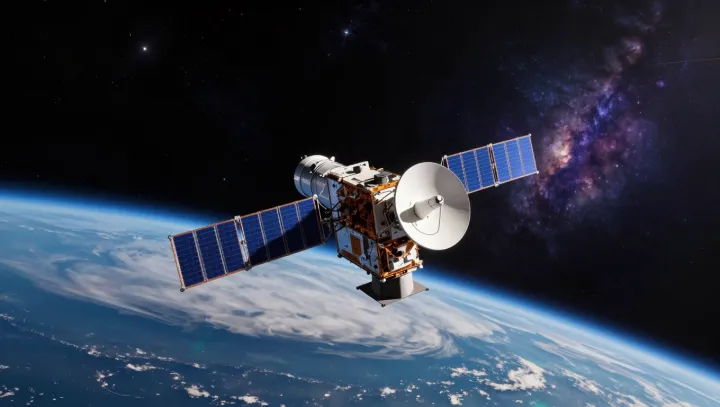
Why braking a spacecraft is so hard
Deep space cruising is cheap in fuel; braking into orbit is an energy, timing and precision nightmare shaped by orbital mechanics and delta‑v limits.
2026-08-10
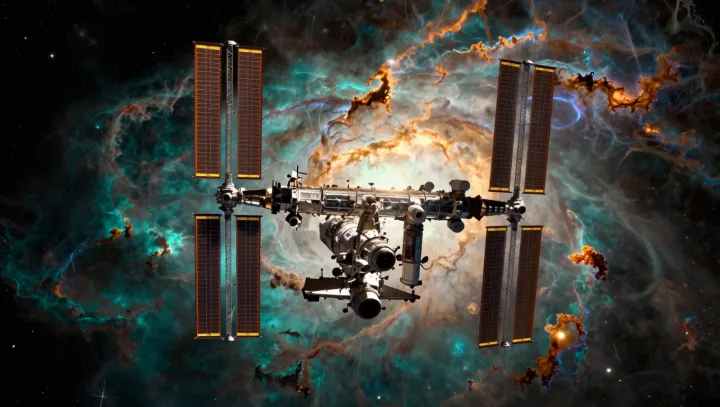
Why a Falling Space Station Never Hits Earth
A 400‑ton space station avoids reentry by falling sideways fast enough that Earth curves away beneath it, while drag from thin air slows it and periodic engine burns raise its orbit.
2026-08-10