
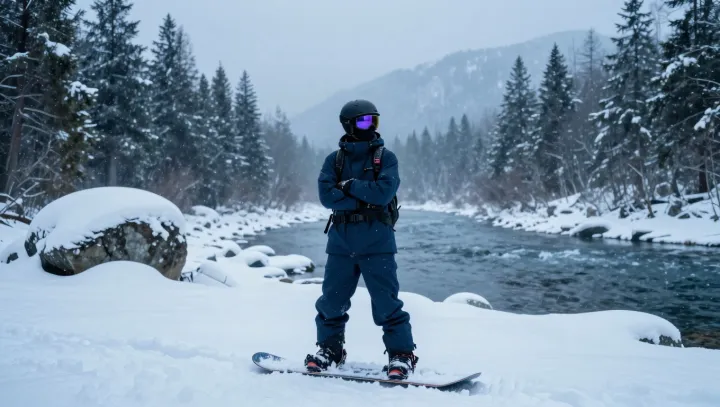
A thin ski shell can be the smarter survival tool than a giant parka in brutal cold. Not because it is thicker, but because it respects three unforgiving rules about how bodies and air trade heat. First comes wind. Convective heat transfer strips warmth as moving air scrapes away the boundary layer of warm molecules hugging your skin, and a streamlined shell slashes that airflow by reducing flapping fabric and leaks.
The second rule is about sweat, and this is where many heavy coats quietly betray their owners. Human thermoregulation depends on evaporation; trapped sweat steals heat as liquid turns to vapor. A tight shell built with a high vapor transmission membrane lets water vapor escape while remaining nearly airtight to wind, cutting evaporative cooling without turning you into a damp sponge wrapped in polyester.
The last rule is that more loft is not always more warmth. Your metabolism is the furnace; insulation only slows conduction and radiation. Once a thin base layer and midlayer create a modest air buffer, extra bulk can backfire by encouraging overheating, sweating, and then rapid chilling on the chairlift. The shell wins not by brute thickness, but by running a precise, quiet truce between wind, moisture, and trapped air.