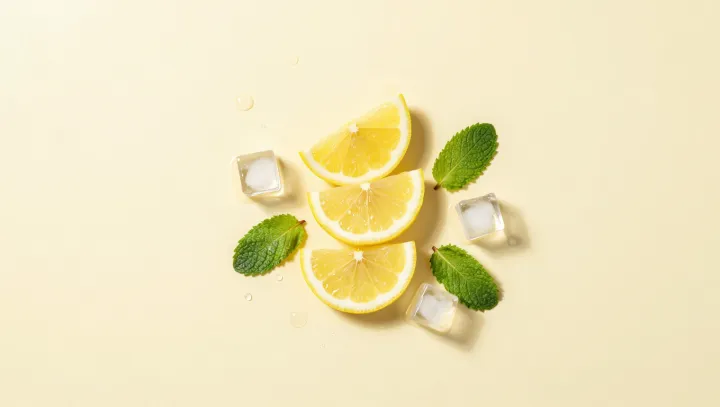
The same lemon slice that cheers an adult palate can bully a baby’s body. That contrast is not about drama; it is about unfinished biology, from the lips inward to the gut wall.
A baby’s mouth is thin territory. Oral mucosa is softer, less keratinized, and its tight junctions leak more than in adults, so citric acid and ascorbic acid rush straight onto exposed nerve endings. Salivary flow is lower and less alkaline, meaning fewer bicarbonate ions stand between the acid and surface cells. A brief sour sip for an adult can, in an infant, become prolonged contact that stings, inflames, and sometimes disrupts the epithelial barrier.
Inside the stomach, the imbalance grows. Adults deploy mature gastric mucosa with thick mucus, robust prostaglandin signaling, and rapid epithelial turnover; they also have strong lower esophageal sphincter tone that keeps acid where it belongs. Infants, with higher baseline gastric pH and weaker sphincter control, lack that protective moat. Added citric acid spikes local acidity while their bicarbonate buffering and mucosal repair machinery still run at partial capacity. The result is not gourmet sourness but something closer to an acid wash on tissue that has barely finished forming.