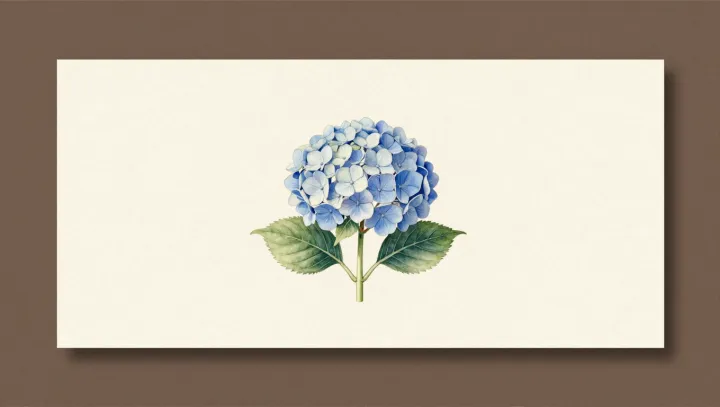
Color, not fragrance, is the real trick in a hydrangea border. One shrub can blaze pink in a patio pot and glow blue in a nearby bed because its roots are not passive; they are running constant chemical surveillance on the soil solution around them.
What looks like garden whimsy is actually strict chemistry. In acidic soil, aluminum ions stay soluble, move into the root system, and ride through the xylem into developing sepals. There, they interact with anthocyanin pigments and cellular vacuole pH, stabilizing a blue complex. Raise the soil pH with lime, lock that aluminum into insoluble compounds, and the same genetic plant shifts toward pink, because the pigment now exists with far less aluminum coordination.
The surprise is how binary this appears from above ground while the mechanism is anything but simple below. Root membranes adjust ion transport, organic acids tweak aluminum availability, and cation exchange capacity of the soil sets the stage for every shade between powder blue and hot pink. Gardeners talk in colors; the plant is reading pH and aluminum activity, line by line, like a slow but faithful chemical code.