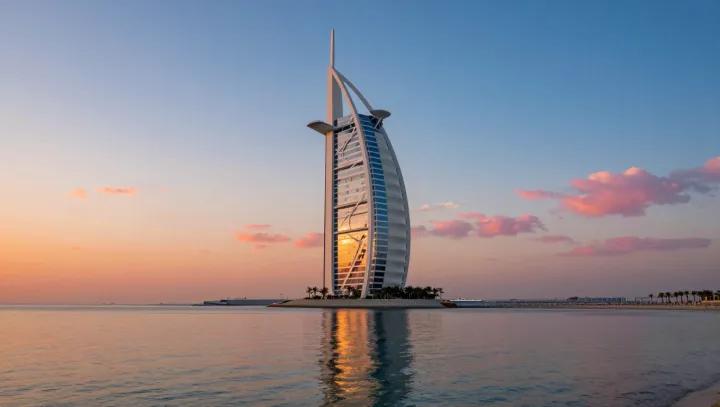
That glittering sail on its own island is not selling a view. It is selling control over how you experience a view everyone on the public beach can technically see for nothing.
Pricing here is less about square meters and more about engineered scarcity. The hotel sits on a private artificial island, with a single gated bridge, a hard cap on room inventory, and security protocols that keep day‑trippers out; what looks like simple real estate is, in economic terms, a textbook exercise in limiting supply to lift willingness to pay.
Brand power then does the heavy lifting. Marketed as a seven‑star fantasy, the property converts architectural spectacle into a status signal, so the nightly rate functions as a social filter as much as a revenue line. Guests are not buying glass and steel; they are buying the probability that everyone else in the lobby also paid a painful amount to be there.
Service architecture completes the trick. Butler teams, high staff‑to‑room ratios, and choreographed arrivals turn a static skyline into a curated performance, in which the city becomes a moving backdrop for private consumption. The shoreline view may be free, but the right to frame it, control it, and exclude the crowd has been turned into a luxury product with its own price tag.