
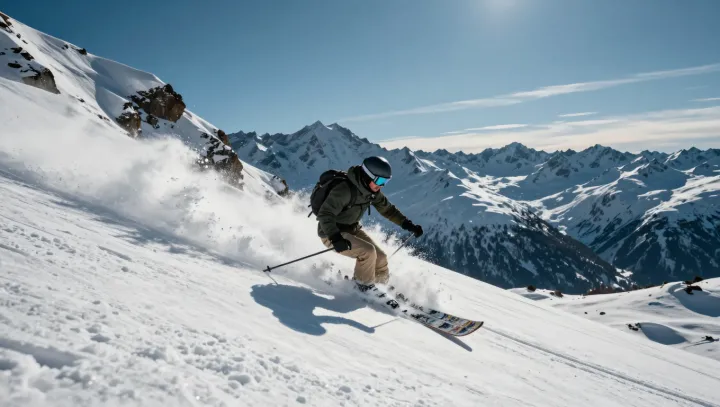
A steep white chute can act like an unsentimental trading desk for the brain. Edged above exposure, the skier’s heart races while the midbrain fires dopamine bursts into the striatum, yet the line only goes if sensory data, snowpack clues and route memory converge on a go decision. That forced reconciliation between raw arousal and cold evaluation trains neural circuits that normally treat risk as entertainment to start pricing it as costed capital.
What looks like thrill-seeking is closer to repeated behavioral therapy. Each drop pairs intense activation of the ventral tegmental area with tight input from the prefrontal cortex, which runs a kind of internal risk–reward audit, discounting catastrophic downside and tiny upside. Over many tours, synaptic plasticity shifts dopamine receptor sensitivity, so the system begins to release smaller spikes for cheap thrills and more sustained signals when a choice carries clear expected value, not just adrenaline.
The sharper claim is that the mountain quietly follows skiers home. Credit decisions, career moves, even hard conversations start to feel like familiar terrain, because the same corticostriatal loops now reference a history of all-or-nothing snow calls. What once demanded drama becomes portfolio thinking: size the position, cap the downside, step in deliberately. The line was terrifying. The lesson is methodical.