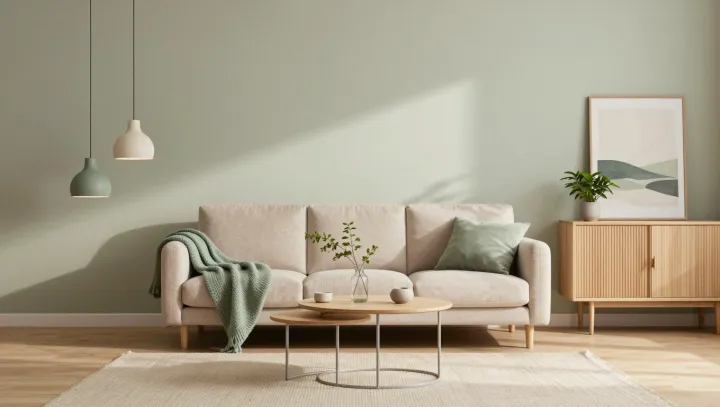
Light on a neutral wall does more than flatter the sofa. It quietly rewires stress chemistry, much like a short mindfulness session shifts the brain out of alarm. Soft, diffuse sunlight reduces high-contrast edges that usually drive hyperactive firing in the visual cortex, and that drop in sensory load feeds forward into lower activity in the amygdala, the threat scanner that primes the body for fight-or-flight.
Plants and muted textures are not decor; they are low-tech neuromodulators. Biophilic design studies show that viewing foliage and organic patterns can reduce heart rate and boost vagal tone, a direct marker of parasympathetic activation. When the parasympathetic system steps in, cortisol secretion falls, muscle tension eases and the prefrontal cortex gains bandwidth for reflective processing instead of constant vigilance.
The real surprise is how automatic this is. Where mindfulness training asks for attentional control and working memory, a carefully tuned living room outsources the work to optics and material science. Matte surfaces scatter light, avoiding the sharp specular highlights that keep the visual system on guard, while consistent neutral hues stabilize color constancy mechanisms, so the brain spends less metabolic energy on prediction error. The result feels like effort-free meditation, delivered by paint, glass and leaves.