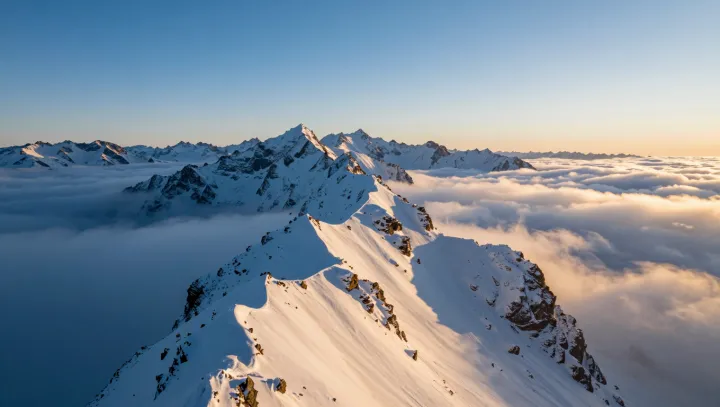
A barren ridge can be an economic engine. Not a gentle one, but a narrow spine of rock where thin air and fierce wind keep human presence short and expensive, which is precisely why each minute of sunrise viewing can be priced, rationed and reinvested into the ecosystem that sells the tickets.
The hard truth is that scenery alone earns nothing; scarcity does. Rangers enforce strict carrying capacity based on alpine soil regeneration rates and vegetation recovery cycles, turning access into a limited concession product. Dynamic pricing pushes peak sunrise slots higher, while off-peak entries stay cheaper, smoothing foot traffic and protecting fragile krummholz and moss that collapse under constant trampling.
A second, less romantic reality follows: protection works only when locals get paid more to guard the ridge than to strip it. Village cooperatives hold exclusive rights to guiding, porter services and ridge huts, creating a closed-loop where trail fees, hut stays and certified gear rentals fund both their income and a dedicated conservation trust. That trust pays for erosion control, boardwalks, and biodiversity monitoring using standard tools like transect sampling and remote sensing surveys.
The surprising result is that the best marketing expense becomes silence. Nighttime light bans keep the Milky Way visible, no-road zones keep the air thin and clear, and strict waste-pack-out rules keep the cloud sea photogenic. The ridge stays cold, windswept and hard to reach, yet that very difficulty becomes its economic moat.