
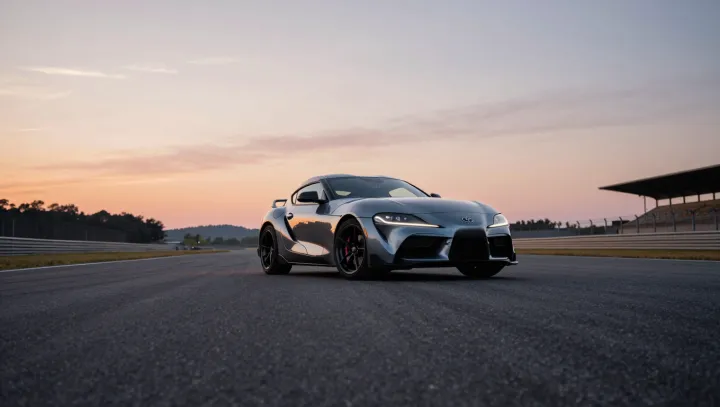
Why Sports Coupes Run Quicker in the Cool
High-performance coupes often set quicker laps in cool dusk because denser air boosts power and downforce while lower track temps improve tire grip and consistency.
2026-08-21
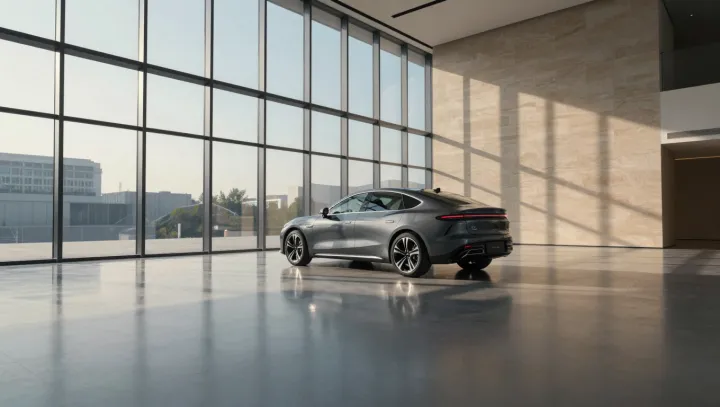
When Harsh Sunlight Turns into Design
The same solar radiation that overheats a gray sedan can, inside a glass atrium, sharpen reflections, deepen contrasts and visually upgrade the car’s surfaces without changing a single panel.
2026-08-21
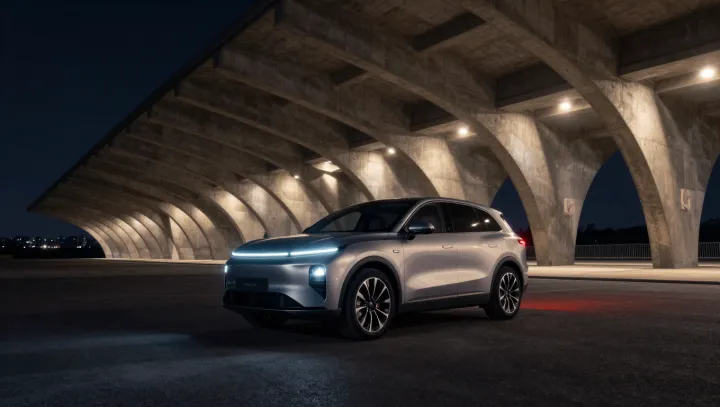
Why SUVs Are Tuned For The City, Not The Highway
Modern SUVs are optimized for dense, low‑visibility city use, with sensors, structures and software tuned to collisions at lower speeds and complex urban crash geometry.
2026-08-21
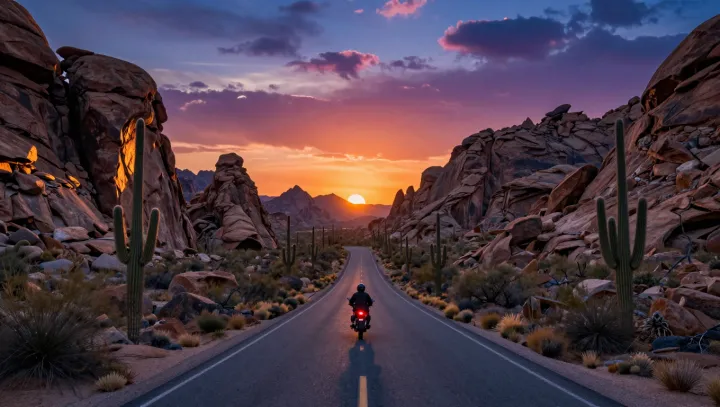
Why Desert Dusk Rides Can Leave You Freezing
A blistering desert ride at dusk can turn dangerously cold as windchill, evaporative cooling, and plunging air temperature combine to strip heat from a sweating body.
2026-08-20
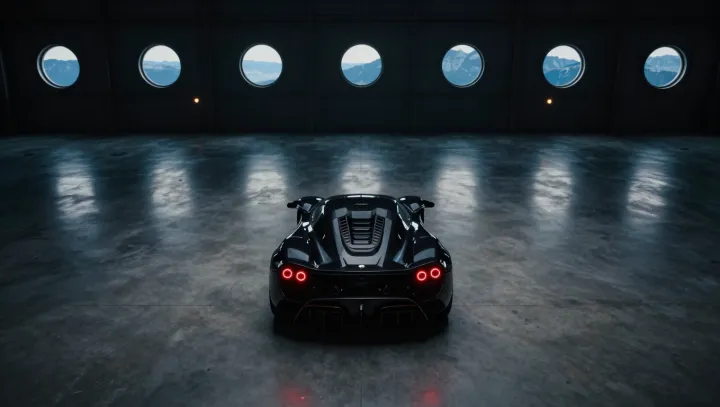
Why Hypercars Recycle Their Own Heat
Some hypercars corral hot air around the powertrain to cut drag, smooth airflow and boost performance, using heat as an aerodynamic tool instead of pure waste.
2026-08-13

When a straight rail line stops being simple
Desert light and heat turn a nominally identical straight rail line into a different operational product, forcing train operators to change speed, spacing, and safety margins.
2026-08-13
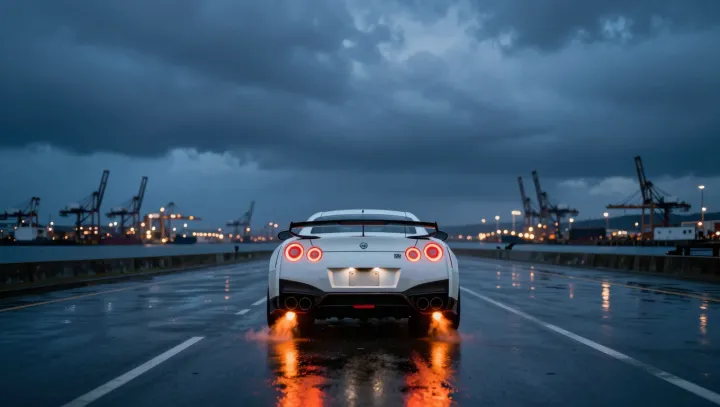
Why some supercars spit fire on purpose
Some high-performance cars are tuned to ignite unburned fuel in the exhaust, trading efficiency and component life for thermal management, turbo response and dramatic branding.
2026-08-12
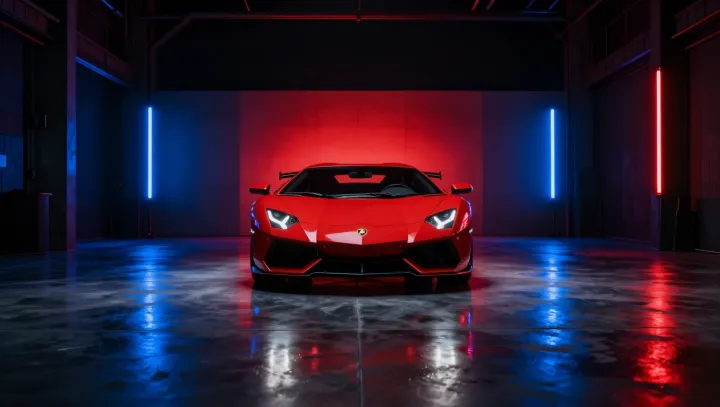
How Light Makes a Parked Supercar Look Fast
Lighting designers use beam control, specular highlights and wet-floor reflections to fake speed and road grit, often making a static studio supercar read as faster than a real one on track.
2026-08-12
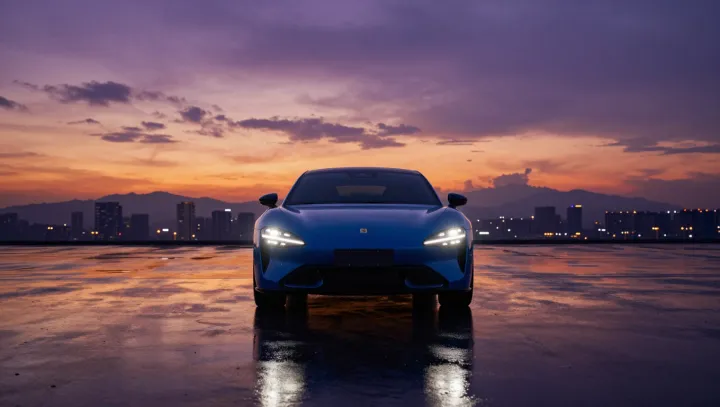
Why Supercars Still Look Angry, Not Slippery
Modern supercars reject pure teardrop aerodynamics to balance downforce, cooling, regulation and brand drama, trading raw efficiency for stability, compliance and identity.
2026-08-11
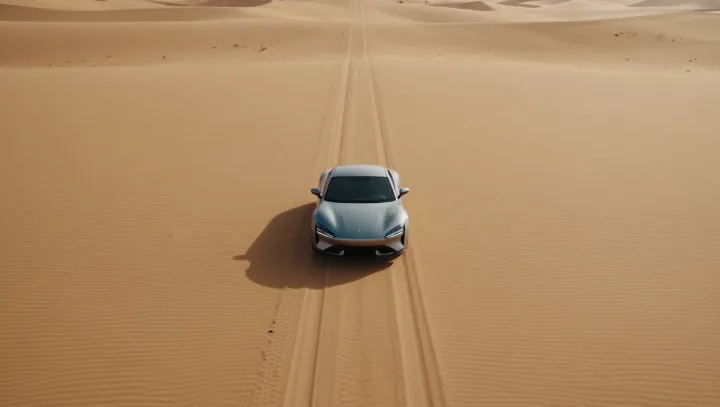
The Small Pedal Habit That Beats Fuel Additives
Tiny changes in how smoothly drivers press the accelerator can reduce fuel consumption and engine wear more effectively than most fuel additives by stabilizing combustion and mechanical stress.
2026-08-11
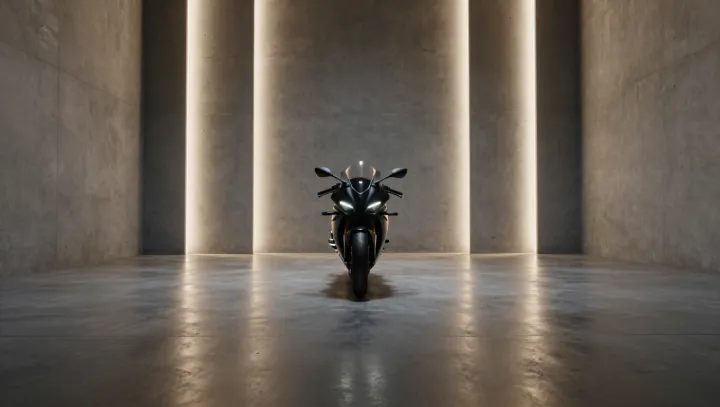
When superbikes turn into moving sculpture
Modern sportbikes resemble sculpture because aerodynamic, cooling, and ergonomics demands carve their forms, and brands then weaponize that engineering into a visual signature.
2026-08-10
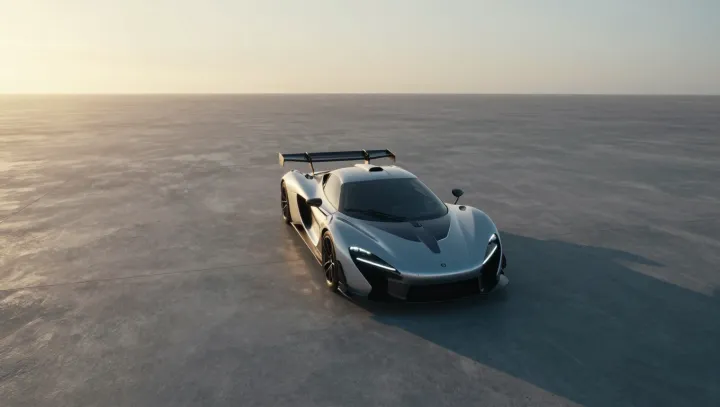
Empty Rooms Make Hypercars Look Faster
A stripped, nearly empty space removes visual anchors, warping scale and motion cues so viewers systematically overrate a hypercar’s speed, power and price.
2026-08-07
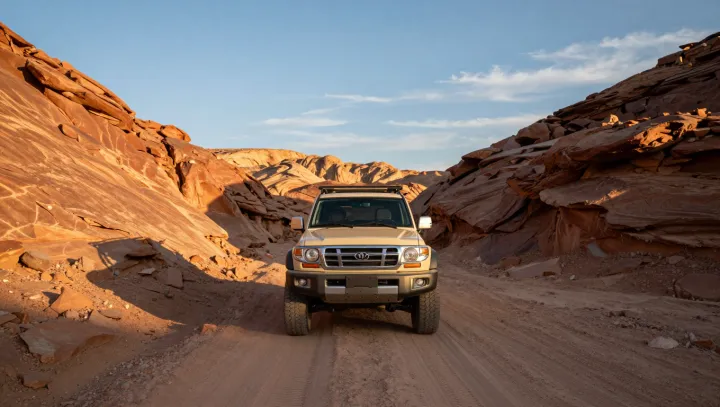
Why Desert Guides Ignore Horsepower
Serious desert guides treat SUVs as survival tools, prioritizing approach angle, suspension articulation, and heat management over raw horsepower figures.
2026-08-07

How Tiny Stars Carve Giant Nebulae
A massive star can look like a faint dot from a gas giant yet still power and shape bright nebulae across light‑years through inverse‑square geometry and extreme ultraviolet output.
2026-08-06
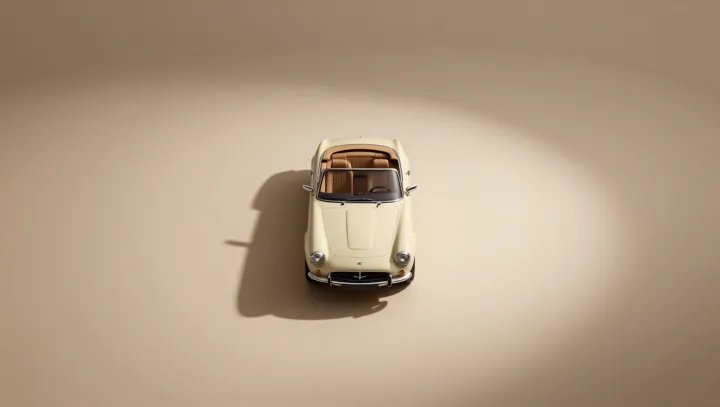
Why Aerial Shots Humiliate Modern CAD
A single overhead photograph exposes how vintage convertibles encode aerodynamic discipline and proportional clarity that many digital models still struggle to match.
2026-08-06
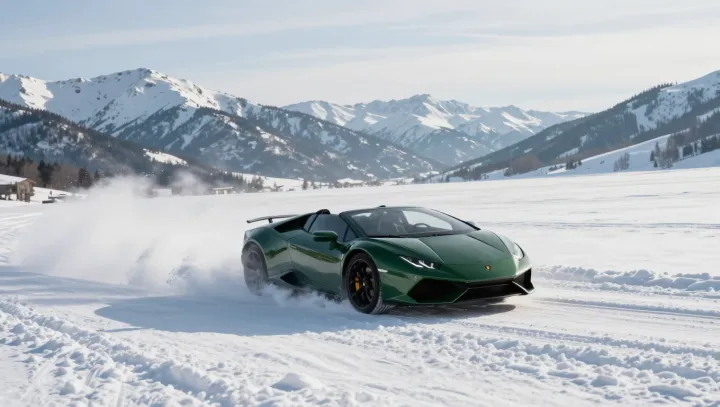
How a 600‑hp supercar grips ice
A 600‑horsepower supercar stays calm on ice by treating each wheel as a separate control channel, using sensors and torque‑vectoring algorithms to micromanage grip in milliseconds.
2026-08-06
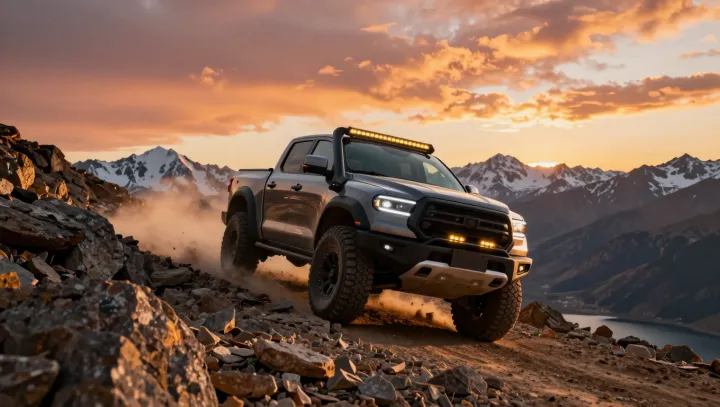
Why Rock Crawling Is Won or Lost at the Tires
Electric trucks conquer steep rocky climbs through tire friction and suspension geometry, not dashboard tilt angles or driver fear thresholds.
2026-08-06
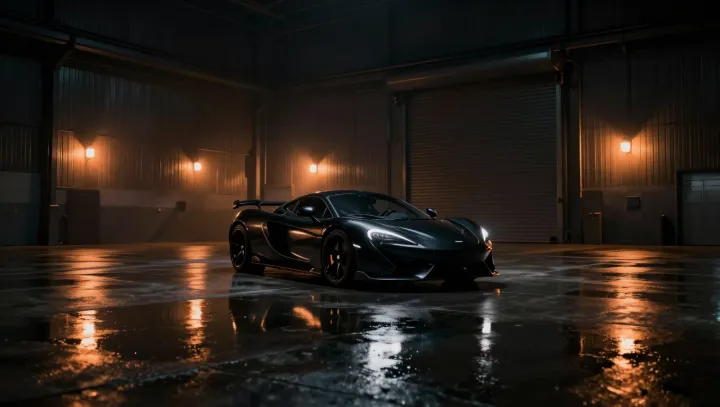
Why supercars hide in empty warehouses
Extreme supercars are shot in empty warehouses because bare concrete, shadows and scale hack our threat circuits, which marketing then repackages as exclusivity and power.
2026-08-04
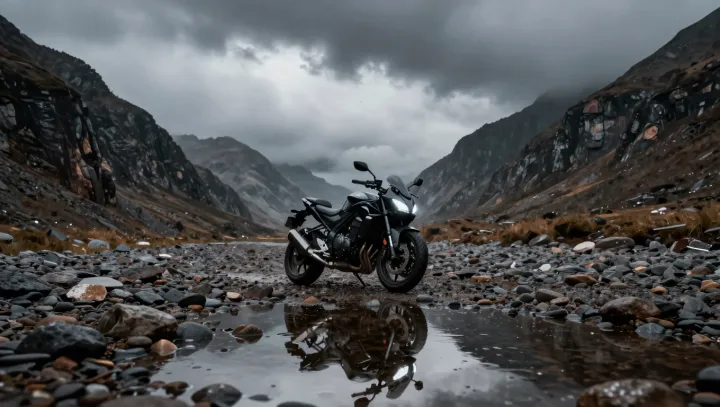
Why Sportbikes Look Predatory in Storms
Sportbikes look most alive in storms because evolved threat detection wiring treats sharp angles and bright headlights as predators emerging against chaotic, hostile backdrops.
2026-08-04
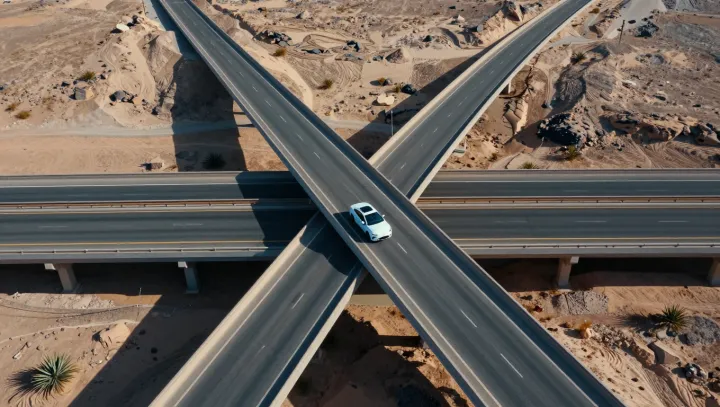
Why Expert Drivers Loosen Their Grip
On high overpasses, top drivers stay safe by relaxing their grip and training their gaze far ahead, exploiting optic flow and vestibulo‑ocular reflex to keep the car stable.
2026-08-04